9901 Brodie Ln Suite 130, Austin, TX 78748



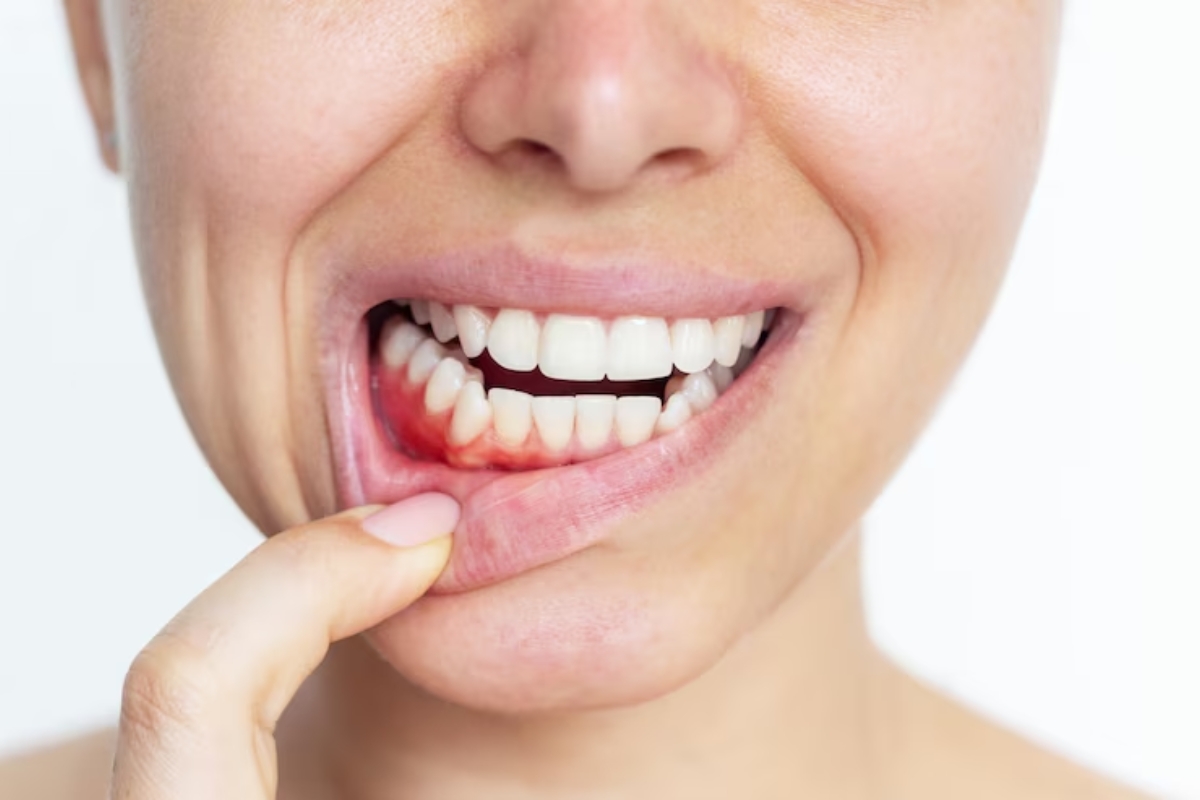
White gums can be an alarming sight, often leading individuals to wonder about the underlying health issues contributing to this unusual color. Understanding the causes and symptoms of white gums is crucial for addressing any potential dental concerns and ensuring your oral health remains intact. In this blog, we’ll explore why your gums might appear white, the possible causes of leukoplakia, associated symptoms, and when it’s essential to consult your dentist.
Why Are Your Gums White?
Gums are typically a healthy shade of pink, so noticing white patches or an overall pale appearance can be concerning. There are various reasons why gums may turn white, with some being benign while others may signal a more serious condition. Understanding the potential causes is the first step in addressing the issue.
One of the most common reasons for white gums is a condition known as leukoplakia, which can manifest as thick, white patches on the gums, tongue, or inside the cheeks. These patches can develop as a result of irritation, often from factors such as smoking, alcohol use, or chronic irritation from rough teeth or dental appliances.
What Causes Leukoplakia?
Leukoplakia is a term that refers to white patches or spots that develop in the mouth. While the exact cause of leukoplakia isn’t always clear, several risk factors and irritants can contribute to its development:
- Tobacco Use: Smoking or chewing tobacco is a significant risk factor for leukoplakia. The chemicals in tobacco can irritate the mucous membranes in the mouth, leading to the formation of white patches.
- Chronic Irritation: Continuous irritation from rough teeth, ill-fitting dentures, or other dental appliances can lead to leukoplakia. When the mucous membranes are constantly irritated, they may respond by developing thickened white patches.
- Alcohol Consumption: Heavy alcohol consumption can also increase the risk of leukoplakia, as alcohol can irritate the soft tissues in the mouth.
- Human Papillomavirus (HPV): Certain strains of HPV have been associated with the development of leukoplakia. This sexually transmitted infection can lead to changes in the cells of the mouth, resulting in white patches.
- Immune System Disorders: Individuals with weakened immune systems, such as those with HIV/AIDS, may be more susceptible to developing leukoplakia. The body’s inability to effectively fight off infections can lead to various oral health issues.
Are There Symptoms Other Than White Patches?
While the presence of white patches on the gums is the primary symptom of leukoplakia, other accompanying symptoms may indicate the severity of the condition or its progression. Some common symptoms associated with white gums and leukoplakia include:
- Pain or Discomfort: While leukoplakia itself is often painless, some individuals may experience soreness or discomfort in the affected area, especially if the patches are irritated.
- Difficulty Swallowing: In some cases, the thickened patches can interfere with swallowing, leading to discomfort or a sensation of something being stuck in the throat.
- Changes in Sensation: Some individuals report changes in sensation, such as a burning or tingling feeling in the mouth or on the gums.
- Bleeding: If the white patches become irritated or traumatized, they may bleed, leading to further concern.
It’s essential to note that while leukoplakia is generally considered a benign condition, it can sometimes be a precursor to more serious issues, including oral cancer. Therefore, monitoring any changes in the appearance of the patches is crucial.
Should You See Your Dentist?
If you notice white gums or any other unusual changes in your oral cavity, it’s essential to consult your dentist as soon as possible. Your dentist can perform a thorough examination and determine the underlying cause of your symptoms.
Here are some reasons why you should see your dentist:
- Diagnosis: A dental professional can help identify whether your white gums are due to leukoplakia or another condition, such as oral thrush, lichen planus, or a reaction to medications.
- Biopsy: If leukoplakia is suspected, your dentist may recommend a biopsy of the affected area to rule out cancer or pre-cancerous changes. This is particularly important if the patches have changed in appearance, size, or texture.
- Treatment Recommendations: Depending on the diagnosis, your dentist can recommend appropriate treatment options. If tobacco or alcohol use is contributing to your condition, your dentist may provide resources to help you quit. Additionally, they may suggest treatments to address irritation from dental appliances or rough teeth.
- Monitoring: Regular dental check-ups are crucial for monitoring changes in your oral health. Your dentist can keep an eye on any patches or symptoms, ensuring that any potential issues are addressed promptly.
- Preventive Care: Your dentist can provide guidance on maintaining good oral hygiene and health, which can help prevent the development of conditions like leukoplakia in the future.
Understanding the causes and symptoms of white gums is essential for maintaining good oral health. While white patches in the mouth, particularly those related to leukoplakia, can often be benign, they may also signal more serious health issues. If you observe any changes in the color or texture of your gums, it’s important to consult your dentist for an accurate diagnosis and appropriate treatment.
By taking a proactive approach to your dental health and seeking timely care, you can address any underlying issues and keep your gums and mouth healthy. Remember, early intervention is crucial for managing potential dental problems, so don’t hesitate to contact your dental professional if you notice signs of white gums. Recognizing what white gums could indicate about your dental health is the first step in taking control of your well-being.