9901 Brodie Ln Suite 130, Austin, TX 78748



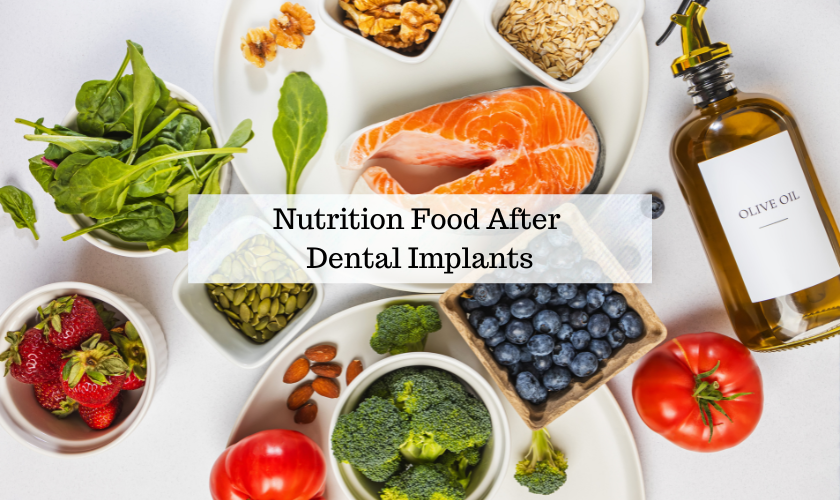
Dental implants are a fantastic option for replacing missing teeth and restoring a confident smile. However, the success of the implant procedure hinges not just on the surgical expertise but also on proper aftercare, which includes a well-balanced diet. Food after dental implants plays a crucial role in promoting optimal healing, minimizing discomfort, and ensuring the long-term success of your new implants.
This comprehensive guide dives deep into the nutritional considerations following dental implant surgery. We’ll explore the different stages of healing, the best food choices for each phase, and essential tips for ensuring a smooth recovery.
The Healing Stages and Food After Dental Implants
The healing process after dental implant surgery can be broadly divided into three stages:
The First 24-48 Hours:
This initial period is marked by swelling, tenderness, and slight discomfort. Your dentist will likely recommend a strictly liquid diet Food After Dental Implants during this time.
The First Week:
As the swelling subsides, you can gradually introduce soft foods. This phase typically lasts for 7-10 days.
Weeks 2-4 and Beyond:
By this stage, most of the discomfort should have subsided, and you can slowly transition back to a regular diet with a few key considerations.
Foods for the First 24-48 Hours: Prioritizing Liquids
During the first 48 hours following surgery, your primary focus should be on consuming clear liquids and cool, smooth foods that are easy to swallow and won’t irritate the surgical site. Here are some excellent choices:
Water:
Hydration is crucial for healing. Throughout the day, make it a point to stay hydrated.
Clear Broths:
Chicken broth, vegetable broth, or bone broth provide essential electrolytes and keep you hydrated.
Nutritional Shakes:
Opt for protein-rich, pre-made shakes or homemade versions with fruits, vegetables, and protein powder.
Smoothies:
Blended fruits and vegetables are a delicious way to get essential vitamins and minerals. Be mindful of opting for softer fruits and avoiding citrus due to acidity.
Yogurt:
Choose plain yogurt with minimal added sugar for a source of protein and probiotics, which can aid gut health.
The First Week: Transitioning to Soft Foods
Once the initial discomfort subsides, your dentist will likely recommend introducing soft foods into your diet. Here are some excellent choices that prioritize both nutrition and ease of consumption:
Scrambled Eggs:
A classic and easy-to-digest source of protein essential for healing.
Mashed Potatoes:
Mashed potatoes provide carbohydrates for energy and are gentle in your mouth.
Soups and Stews:
Opt for blended cream soups or vegetable soups with well-cooked, soft vegetables and lean meat.
Soft Fruits:
Bananas, mangoes, ripe pears, and peaches are excellent sources of vitamins and antioxidants.
Cooked Vegetables:
Steamed or boiled vegetables like carrots, spinach, and green beans provide essential nutrients and are easy to chew once softened.
Oatmeal:
This fiber-rich breakfast option is filling and provides sustained energy.
Soft Pasta and Rice:
Opt for well-cooked pasta like spaghetti or macaroni, and choose softer rice varieties like basmati.
Well-Cooked Fish:
Flaky fish like salmon or cod are great sources of protein and omega-3 fatty acids, which promote healing.
Tofu and Tempeh:
For vegetarians and vegans, tofu and tempeh provide a good source of protein in a soft format.
Weeks 2-4 and Beyond: Gradual Return to Regular Diet
By weeks 2-4, most of the discomfort should have subsided, and you can gradually transition back to a regular diet. However, it’s still important to be mindful of certain foods:
Hard and Chewy Foods:
Avoid hard candies, nuts, raw vegetables, and tough meats that require excessive chewing. These can put stress on the implant site and hinder healing.
Spicy Foods:
Spicy foods may irritate and hurt the surgical site. Introduce them slowly and in moderation.
Sticky Foods:
Sticky candies, dates, and dried fruits can easily get lodged around the implant site, increasing the risk of infection.
Highly Acidic Foods:
Citrus fruits, tomatoes, and some pickles can irritate the implant site. Introduce them slowly and monitor any discomfort.
Essential Tips for a Smooth Recovery with Food After Dental Implants
Here are some additional tips to ensure a smooth recovery and promote optimal healing after dental implant surgery:
Small, Frequent Meals:
Opt for smaller, more frequent meals throughout the day to avoid putting stress on the implant site.
Maintain Good Oral Hygiene:
Brushing and flossing gently but thoroughly after every meal is crucial to prevent infection and promote healing. Use a soft-bristled toothbrush and avoid brushing directly on the implant site for the first few weeks. Your dentist may recommend a specific mouthwash for additional cleaning.
Pain Management:
Over-the-counter pain medication like ibuprofen can help manage discomfort after surgery. Follow your dentist’s instructions regarding dosage and duration of use.
Apply Ice Packs:
Applying ice packs to the outside of your cheek near the implant site can help reduce swelling during the first 24-48 hours.
Avoid Smoking and Alcohol:
Smoking and alcohol consumption can impede healing and increase the risk of infection. It’s best to abstain from both during the recovery period.
Follow-up Appointments:
Regular follow-up appointments with your dentist in Austin or your local area are crucial for monitoring healing and ensuring the implant integrates properly.
Additional Considerations for Food After Dental Implants
Nutritional Deficiencies:
Following surgery, you may experience temporary difficulty consuming certain food groups. Discuss any concerns with your dentist or a registered dietitian. They can recommend supplements to ensure you’re getting the essential nutrients your body needs for healing.
Long-Term Diet for Implant Success:
While the initial stages of healing require specific dietary considerations, eventually, you should be able to return to a balanced and varied diet. However, maintaining good overall dietary habits is vital for the long-term success of your implants and your overall oral health. Here are some essential dietary guidelines to adhere to:
- Focus on Fruits and Vegetables: Aim for a rainbow of fruits and vegetables for a good source of vitamins, minerals, and antioxidants.
- Choose Whole Grains: Opt for whole grains over refined grains for sustained energy and fiber.
- Include Lean Protein: Include lean protein sources like fish, poultry, beans, and lentils in your diet for tissue repair and maintenance.
- Limit Sugary and Processed Foods: Limit sugary drinks, processed foods, and saturated fats, as these can contribute to inflammation and hinder healing.
- Stay Hydrated: Drinking plenty of water throughout the day is crucial for overall health and promotes optimal healing.
Dental implant surgery is a life-changing procedure that can restore your smile and improve your quality of life. By following the recommendations for food after dental implants and maintaining a healthy diet long-term, you can ensure optimal healing, promote implant success, and enjoy the benefits of your new smile for years to come.
Remember, this blog serves as a general guide. It’s crucial to consult with your dentist in Austin or your local area for personalized recommendations based on your specific needs and recovery process. They can provide the most accurate and up-to-date guidance to ensure a smooth and successful recovery from your dental implant surgery.