9901 Brodie Ln Suite 130, Austin, TX 78748



Tooth sensitivity is a common issue, often caused by worn enamel or gum recession. Sharp pain when drinking hot coffee or eating cold treats can quickly take away from life’s little joys. But can dental bonding offer a solution? This cosmetic treatment does more than just enhance the look of teeth; it might also provide relief from tooth sensitivity. Let’s explore how dental bonding can help strengthen sensitive teeth and what patients should know.
What is Dental Bonding?
Dental bonding is a procedure where a tooth-colored resin is applied to the teeth. This resin is shaped, smoothed, and hardened to fit naturally with your other teeth. Often used for aesthetic reasons, dental bonding also works to protect exposed roots and areas of worn enamel, which can contribute to sensitivity.
Benefits of Dental Bonding for Sensitivity
Dental bonding can be highly beneficial for patients dealing with sensitive teeth:
- Protects Exposed Roots: Bonding covers exposed roots, a common source of sensitivity.
- Strengthens Worn Enamel: The bonding material helps rebuild areas where enamel has worn down.
- Seals Cracks and Chips: Bonding fills minor cracks and chips, which often cause discomfort.
- Natural Look and Feel: Bonded teeth feel just like natural teeth, making it a seamless solution.
How Does Dental Bonding Reduce Tooth Sensitivity?
Sensitive teeth usually result from thin enamel or exposed tooth roots. These issues expose nerves to extreme temperatures, leading to discomfort. Here’s where bonding can help:
- Barrier Against Temperature: Bonding provides a barrier that reduces the effects of hot or cold substances on sensitive teeth.
- Insulates Nerve Endings: The bonding material insulates nerve endings from exposure to food and drink.
- Long-lasting Solution: Unlike toothpaste for sensitivity, bonding provides more lasting relief by addressing the root cause directly.
Is Dental Bonding Right for You?
If you’re considering dental bonding in Austin, here are some factors to keep in mind. Dental bonding is an excellent solution for mild to moderate tooth sensitivity, especially in cases caused by enamel wear or gum recession. However, it may not be suitable for extensive tooth damage or decay.
Key Points to Consider
- Sensitivity Cause: It’s important to determine the exact cause of your tooth sensitivity before choosing bonding.
- Condition of Teeth: Bonding works best on structurally sound teeth with only minor issues.
- Treatment Longevity: Bonding can last several years but may need touch-ups, especially if teeth grinding is an issue.
What to Expect During the Dental Bonding Procedure?
Bonding is a minimally invasive procedure that can usually be completed in one appointment. Here’s an overview of the steps involved:
- Surface Preparation: The tooth surface is gently roughened to help the resin bond securely.
- Resin Application: A dentist applies and sculpts the resin to cover any sensitive areas.
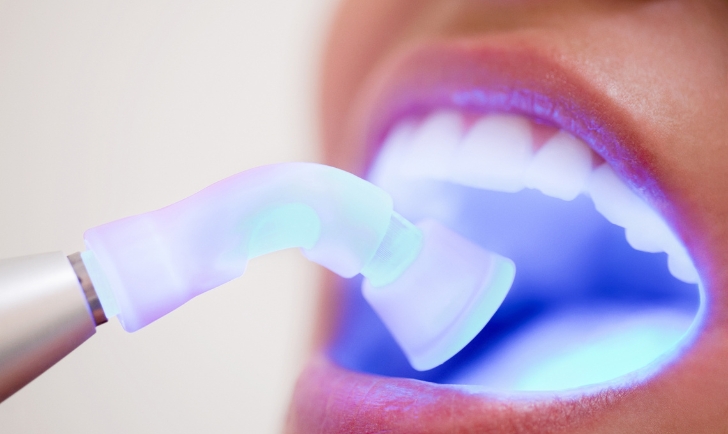
- Curing the Resin: The resin is hardened with a special light, creating a durable layer.
- Shaping and Polishing: The bonded area is polished, creating a natural finish that blends with other teeth.
Dental Bonding vs. Other Sensitivity Treatments
There are several ways to manage tooth sensitivity. Here’s how dental bonding compares to other methods:
- Toothpaste for Sensitivity: Special toothpastes provide temporary relief, but they don’t address underlying issues.
- Fluoride Gel Applications: Fluoride gels strengthen enamel but may not provide the same level of protection as bonding.
- Sealants: While sealants work well on molars, they aren’t typically used for aesthetic or sensitivity purposes on front teeth.
Caring for Bonded Teeth
Bonded teeth require some care to keep the resin intact and functioning effectively:
- Avoid Hard Foods: Biting hard foods like ice or nuts can weaken the bond over time.
- Maintain Oral Hygiene: Brush and floss daily to prevent decay from forming around bonded areas.
- Schedule Regular Check-ups: Routine visits ensure the bonding remains in good shape and is providing relief as intended.
Dental bonding provides more than just aesthetic benefits. For many patients in Austin, it has been effective in reducing tooth sensitivity and restoring comfort to daily life. With proper care, it’s a durable solution that lets you enjoy hot and cold foods without worry.
If you’re ready to see if bonding can help you, consult a local dentist in Austin to discuss your options for a pain-free, beautiful smile.