9901 Brodie Ln Suite 130, Austin, TX 78748



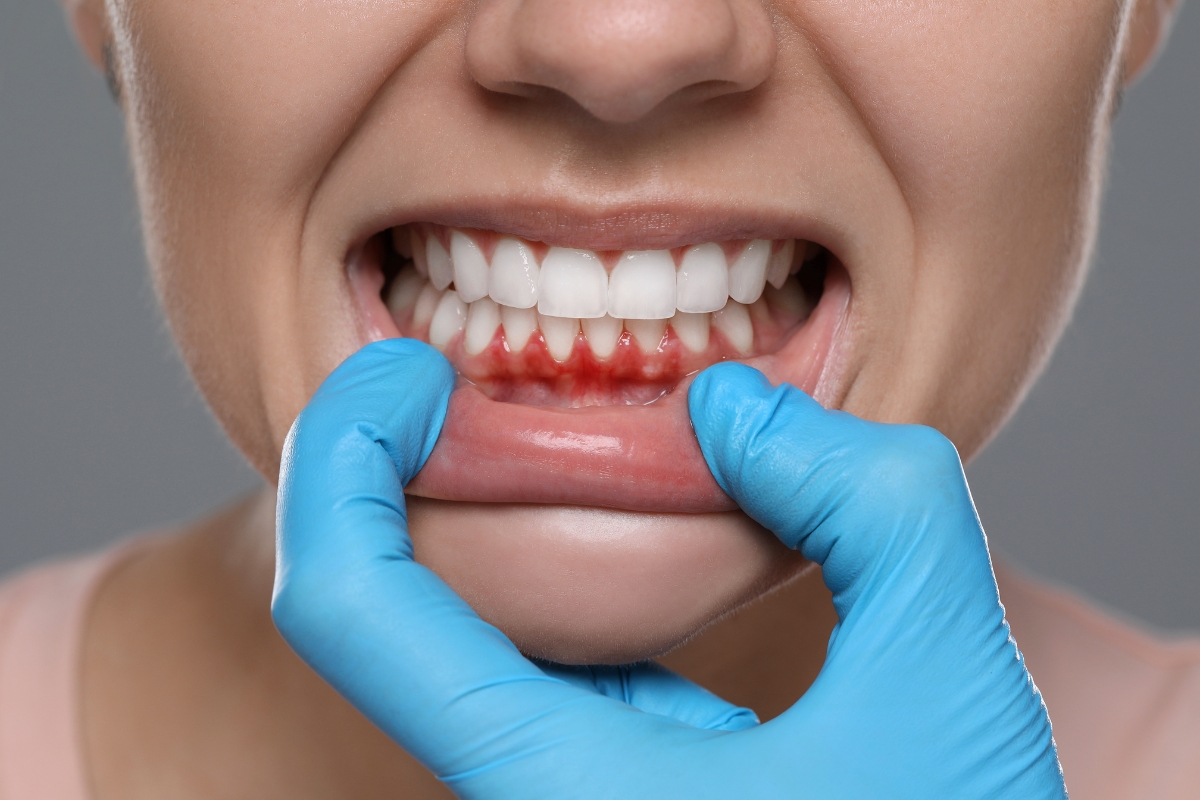
Gum boils, also known as dental abscesses, are painful, pus-filled bumps that develop on the gums. They may seem like a minor inconvenience at first, but these boils can be a sign of a more serious underlying dental issue. Ignoring a gum boil can lead to further complications, including infections that may spread to other parts of the body. Understanding what a gum boil could mean for your dental health is essential for taking the necessary steps to treat and prevent future problems. In this blog, we’ll discuss the different types of gum boils, their causes, symptoms, treatment options, and how to maintain healthy gums.
Types of Gum Boils or Dental Abscesses
There are several types of gum boils, each related to a specific underlying dental condition. The three main types are:
- Gingival Abscess: A gingival abscess is a localized infection in the gum tissue and is usually not associated with any tooth involvement. It may develop due to an injury, food particles getting stuck in the gums, or poor oral hygiene.
- Periodontal Abscess: A periodontal abscess occurs deeper in the gums and affects the periodontal pocket surrounding the tooth. This type of abscess is often linked to advanced gum disease (periodontitis), which causes the gums to pull away from the teeth, creating spaces where bacteria can thrive.
- Periapical Abscess: A periapical abscess forms at the tip of a tooth’s root, usually as a result of an untreated cavity or injury to the tooth that allows bacteria to invade the pulp. This type of abscess is more common in individuals with untreated tooth decay or a history of trauma to the tooth.
Causes and Symptoms of a Gum Boil or Abscess
Now that we’ve covered the types of gum boils let’s explore what causes them and the symptoms to watch for. Understanding the causes is key to preventing future occurrences.
Causes:
- Bacterial Infection: The most common cause of gum boils is a bacterial infection. When plaque and tartar build-up along the gum line, it creates a breeding ground for bacteria, which can lead to an infection.
- Tooth Decay: Cavities that are left untreated can allow bacteria to reach the tooth pulp, causing an abscess that spreads to the gums.
- Gum Disease: Gum boils are often associated with advanced gum disease, where pockets form between the gums and teeth, providing space for bacteria to grow.
- Injury to the Gums or Teeth: A cut or injury to the gums can introduce bacteria into the tissue, leading to infection. Likewise, a cracked or fractured tooth can create an entry point for bacteria.
Symptoms:
The symptoms of a gum boil can vary, but the most common signs include:
- Swelling and redness: The gums around the boil may be inflamed and tender to the touch.
- Pain or discomfort: Gum boils are usually painful, especially when chewing or touching the affected area.
- Pus discharge: A gum boil may leak pus, which is a sign that the body is trying to fight the infection.
- Bad taste or odor: If the gum boiling ruptures, you may notice a foul taste or smell coming from the infected area.
- Fever or swollen lymph nodes: In severe cases, the infection may cause fever or swollen lymph nodes in the neck.
Treating a Gum Boil or Abscess
If you’re experiencing symptoms of a gum boil, it’s crucial to seek dental care as soon as possible. Delaying treatment can lead to more serious complications, including the spread of infection to other parts of the body. Here’s how a gum boil is typically treated:
- Drainage of the Abscess: One of the first steps in treating a gum boil is draining the pus from the abscess. Your dentist will make a small incision in the boil to release the pus, which helps relieve pressure and pain.
- Antibiotics: After draining the abscess, your dentist may prescribe antibiotics to eliminate the infection and prevent it from spreading further. It’s essential to complete the full course of antibiotics even if symptoms improve.
- Root Canal Therapy: If the gum boil is caused by an infected tooth (periapical abscess), root canal therapy may be necessary to remove the infected tissue from the tooth’s pulp. This procedure can save the tooth and prevent the infection from spreading to the surrounding gum tissue.
- Periodontal Treatment: For gum boils caused by periodontal disease, your dentist will likely recommend a deep cleaning, also known as scaling and root planing, to remove plaque and tartar from below the gum line. In more severe cases, surgery may be required to reduce the size of the periodontal pockets.
- Tooth Extraction: If the tooth causing the abscess is severely damaged or cannot be saved, your dentist may recommend extraction to remove the source of the infection.
Keeping Your Gums Healthy
Preventing gum boils starts with maintaining good oral hygiene and addressing dental issues before they become more serious. Here are some steps you can take to keep your gums healthy:
- Brush and Floss Regularly: Brush your teeth twice a day with fluoride toothpaste and floss daily to remove food particles and plaque from between your teeth.
- Use Antibacterial Mouthwash: Rinsing with an antibacterial mouthwash can help reduce bacteria in your mouth and prevent infections from developing.
- Regular Dental Checkups: Visit your dentist for regular checkups and professional cleanings. Early detection of cavities and gum disease can prevent abscesses from forming.
- Eat a Balanced Diet: A diet rich in fruits, vegetables, and lean proteins can support your overall oral health and reduce the risk of dental problems.
- Stay Hydrated: Drinking plenty of water helps wash away food particles and bacteria, keeping your mouth clean between brushing.
So, what a gum boil could mean for your dental health is more than just discomfort; it can indicate a more serious issue like gum disease or a tooth infection that requires prompt treatment. Ignoring a gum boil can lead to complications such as the spread of infection, making it essential to seek professional dental care as soon as you notice symptoms. By maintaining good oral hygiene and addressing dental issues early, you can prevent gum boils and keep your smile healthy.
If you ever wonder what a gum boil could mean for your dental health, remember that it’s often a sign that something needs attention. Don’t hesitate to consult with your dentist for proper diagnosis and treatment.