9901 Brodie Ln Suite 130, Austin, TX 78748




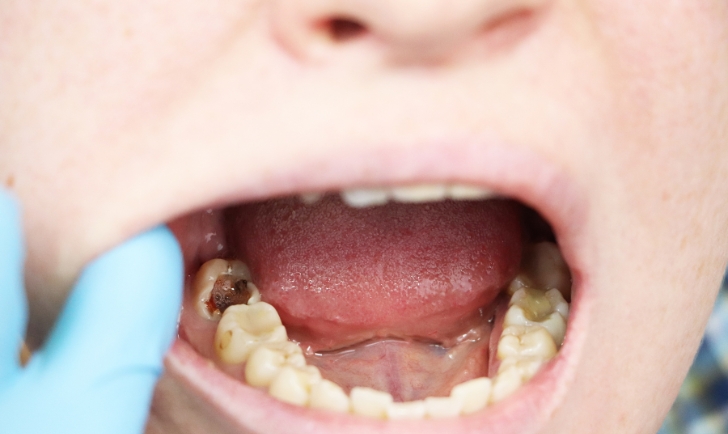
Cavities, also known as dental caries or tooth decay, can affect any tooth in your mouth, including the front teeth. While many people associate cavities with back teeth due to their grooved surfaces and location, front teeth are equally susceptible to decay. Understanding what causes a cavity on the front tooth can help you take proactive measures to maintain your dental health.
What is Cavities?
Before delving into the specific causes of cavities on front teeth, it’s important to understand how cavities develop. Cavities form when the hard surface of a tooth, known as enamel, is damaged by acids produced by bacteria in the mouth. These bacteria feed on sugars and starches from the foods we consume, creating acid as a byproduct. Over time, this acid can erode the enamel, leading to decay and the formation of a cavity.
Causes of Cavities on Front Teeth
Poor Oral Hygiene
One of the primary causes of cavities on the front tooth is inadequate oral hygiene. Failing to brush and floss regularly can allow plaque—a sticky film of bacteria—to accumulate on the teeth. If plaque is not removed, it hardens into tartar, which can only be removed by a dentist. The longer plaque and tartar remain on the teeth, the greater the risk of cavities forming.
Tip: Brush your teeth at least twice a day with fluoride toothpaste and floss daily to remove food particles and plaque from between your teeth.
Dietary Habits
Your diet plays a significant role in your dental health. Foods high in sugars and acids can contribute to the development of cavities. This is particularly concerning for front teeth, as they are often exposed to sugary snacks and beverages, such as candies, soda, and fruit juices.
Tip: Limit your intake of sugary and acidic foods. Opt for healthier snacks like fruits, vegetables, and dairy products, which can help protect your teeth.
Dry Mouth
Saliva is essential for maintaining oral health as it helps neutralize acids and wash away food particles. A condition known as dry mouth (xerostomia) can significantly increase the risk of cavities. Dry mouth can be caused by various factors, including certain medications, medical conditions, and dehydration.
Tip: Stay hydrated and consider using saliva substitutes or mouthwashes designed to alleviate dry mouth symptoms if you experience this condition.
Frequent Snacking
Frequent snacking, especially on sugary foods, can increase the risk of cavities on the front teeth. Every time you eat, your mouth produces acid to help digest the food. If you are constantly snacking, your teeth are constantly exposed to this acid, which can lead to enamel erosion and cavities.
Tip: If you must snack, choose healthier options and try to limit snacking to specific times rather than grazing throughout the day.
Age and Dental History
Certain age groups, particularly children and adolescents, are at a higher risk for cavities due to their developing teeth and often poor oral hygiene habits. Additionally, individuals with a history of cavities are more prone to developing new ones, including on the front teeth.
Tip: Regular dental check-ups can help monitor your dental health and identify any early signs of cavities.
Gum Recession
Gum recession can expose the roots of the front teeth, which are more vulnerable to decay than the enamel-covered surfaces. When gums recede due to periodontal disease or aggressive brushing, the exposed root surfaces can become a site for cavities.
Tip: Practice gentle brushing techniques and maintain regular dental visits to monitor your gum health.
Fluoride Deficiency
Fluoride is a mineral that helps strengthen tooth enamel and prevent cavities. A lack of fluoride can make your teeth more susceptible to decay. While many municipal water supplies contain fluoride, not all do, and some individuals may not receive adequate fluoride from other sources, such as toothpaste or mouth rinses.
Tip: Discuss fluoride treatments or supplements with your dentist if you are concerned about your fluoride intake.
Prevention and Treatment
Preventing cavities on the front teeth requires a combination of good oral hygiene, dietary habits, and regular dental visits. Here are some tips to help protect your front teeth from cavities:
- Maintain a Routine: Brush and floss regularly, and consider using an antibacterial mouthwash to help reduce plaque buildup.
- Visit Your Dentist: Regular dental check-ups can help catch cavities early and provide professional dental cleanings to remove tartar.
- Consider Sealants: Dental sealants are a protective coating applied to the chewing surfaces of teeth. While they are more commonly used for back teeth, your dentist may recommend them for front teeth in certain cases.
- Stay Informed: Understanding what causes a cavity on the front tooth and being proactive in your dental care can significantly reduce your risk of cavities.
- Healthy Lifestyle Choices: Maintain a balanced diet and stay hydrated to promote overall oral health.
Recognizing the causes of cavities on the front teeth is essential for effective prevention and treatment. By practicing good oral hygiene, making informed dietary choices, and scheduling regular dental visits, you can protect your front teeth and maintain a healthy smile. If you notice any signs of cavities or other dental concerns, don’t hesitate to consult your dentist for guidance and care. Understanding and addressing the factors that contribute to cavities will help you achieve lasting dental health and a confident smile.