9901 Brodie Ln Suite 130, Austin, TX 78748




Choosing between bonding vs veneers — which fixes your smile right now in Austin — is one of the most common questions Dr. Nichole Kostiuk hears at TRU Dentistry Austin. Both treatments transform smiles beautifully. But they work differently, cost differently, and suit different concerns. Knowing which one fits your situation saves you time, money, and guesswork.
This guide walks you through each cosmetic option step by step. Whether you have a chipped tooth, stubborn stains, noticeable gaps, or worn edges, you will find a clear answer here.
Bonding vs Veneers in Austin: Understanding the Key Differences
Dental bonding uses tooth-colored composite resin applied directly to your tooth. Your dentist sculpts and hardens the material in a single visit. No lab work is needed. The result looks natural and blends with surrounding teeth.
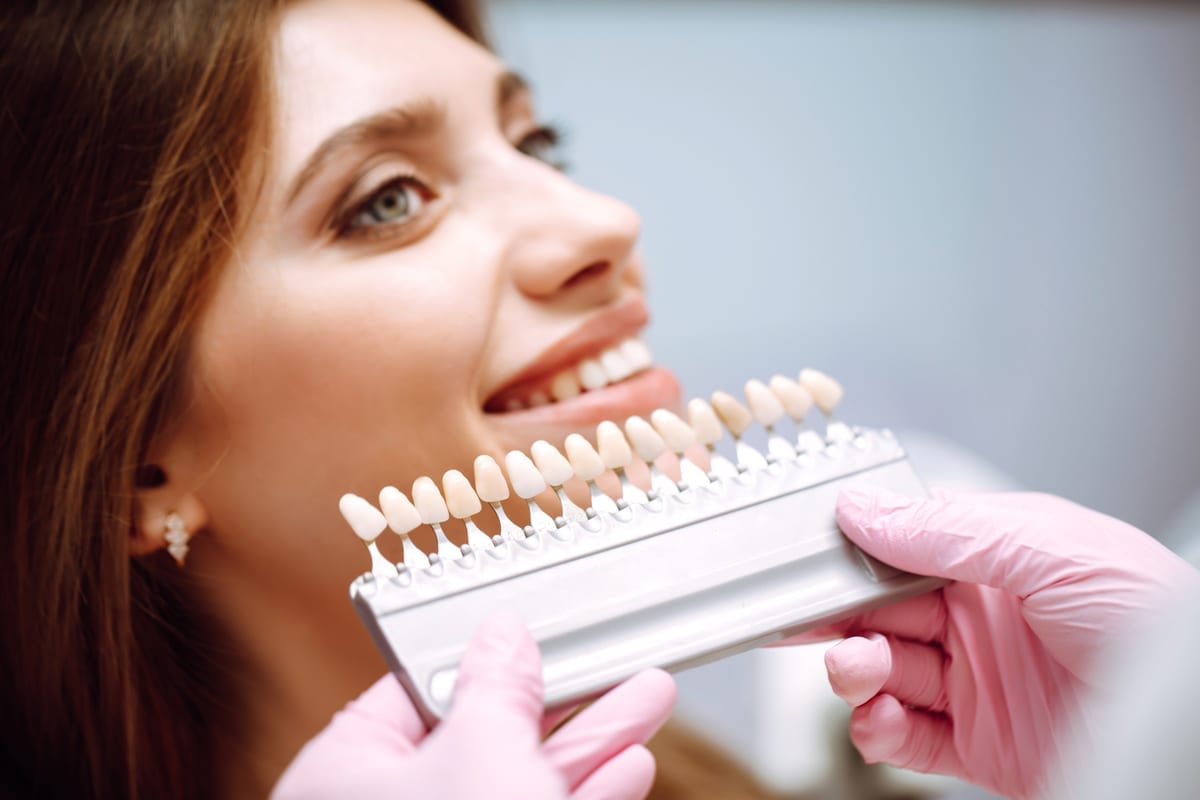
Porcelain veneers are thin shells custom-made in a dental lab. Your dentist bonds them permanently to the front surface of your teeth. Veneers typically require two appointments. They offer a more durable, stain-resistant finish than composite resin.
Both treatments fall under cosmetic dentistry. However, they serve distinct purposes. Understanding the difference helps you make a confident, informed decision before your consultation.
- Bonding: Single-visit, reversible, more affordable, best for minor repairs
- Veneers: Two visits, permanent, longer-lasting, best for full smile makeovers
- Both: Painless, natural-looking, and completed right here in Austin
Which Treatment Fixes Your Specific Smile Concern?
Your exact smile concern should drive the decision. Different flaws respond better to different treatments. Here is a straightforward breakdown by concern type.
Chipped or cracked teeth: Dental bonding is usually the fastest fix. Your dentist applies resin directly to the chip. One appointment and the tooth looks whole again. Bonding works beautifully for small to medium chips.
Gaps between teeth: Both options work well here. Bonding widens teeth slightly to close small gaps. Veneers create a more uniform, dramatic closure for larger spaces. Your dentist will recommend the right approach at your exam.
Stubborn staining: Surface stains often respond well to professional whitening first. Deep intrinsic stains — caused by medication or injury — do not whiten. Veneers cover those stains permanently. Bonding can also mask discoloration, though it may stain over time.
Worn or shortened edges: Years of grinding or acid erosion wear teeth down. Bonding can rebuild length quickly and affordably. Veneers provide a stronger, longer-lasting rebuild for more severe wear.
How Whitening and Contouring Fit Into the Picture
Sometimes bonding and veneers are not the only options to consider. Teeth whitening and tooth contouring also play important roles. Understanding all four choices helps you select the right starting point.
Professional whitening brightens enamel by several shades in one session. It works best on extrinsic stains from coffee, tea, or wine. If staining is your only concern, whitening is the simplest and most affordable solution.
Tooth contouring reshapes enamel by removing tiny amounts. It smooths rough edges, corrects minor overlaps, and refines uneven shapes. Contouring often pairs with bonding for a balanced, polished result. Neither procedure requires anesthesia in most cases.
- Whitening: Best for surface stains, fastest results, no tooth alteration
- Contouring: Best for shape issues, quick procedure, permanent enamel removal
- Bonding: Best for chips, gaps, minor stains, single-visit solution
- Veneers: Best for multiple concerns at once, longest-lasting result
Keeping up with Dental Cleanings Austin patients need is also essential before any cosmetic work. A clean, healthy baseline ensures your bonding or veneers bond properly and last longer.
When a Dental Crown Might Be the Better Answer
Sometimes a tooth has too much damage for bonding or veneers to fix. A tooth that is heavily decayed, cracked deep below the gumline, or structurally weak needs more protection. In those cases, your dentist may recommend a crown instead.
Dental Crowns Austin patients receive at TRU Dentistry Austin cap the entire tooth. This restores full function and appearance at once. Crowns are not a cosmetic-only solution — they protect teeth from further breakdown.
Dr. Kostiuk evaluates every tooth individually before recommending any treatment. You will never receive a cosmetic fix when your tooth actually needs structural support. That honest approach protects your long-term oral health.
What to Expect at Your Consultation in Austin
Your first step is a thorough smile evaluation at TRU Dentistry Austin. Dr. Kostiuk examines your teeth, gums, and bite. She also reviews your goals and budget. From there, she recommends the most conservative treatment that achieves your desired result.
For bonding, treatment often begins the same day as your consultation. For veneers, impressions are taken and sent to a lab. Temporary veneers protect your teeth in the meantime. Final veneers are placed at your second visit.
Both procedures are comfortable and well-tolerated. Most patients return to normal activities immediately. Austin patients consistently appreciate how seamlessly the results blend with their natural teeth.
Frequently Asked Questions
How long does dental bonding last compared to veneers?
Dental bonding typically lasts five to seven years with proper care. Porcelain veneers can last ten to fifteen years or longer. Veneers resist staining better than composite resin. Both options require good oral hygiene and regular dental visits to maximize longevity.
Is bonding or veneers more painful?
Neither treatment is typically painful. Bonding requires no enamel removal in most cases, so anesthesia is rarely needed. Veneers require a thin layer of enamel to be gently reduced before placement. Your dentist will ensure you are completely comfortable throughout the process.
Can I whiten my teeth after getting bonding or veneers?
Whitening products do not change the color of composite resin or porcelain. If you want whiter teeth, it is best to whiten before your bonding or veneer treatment. Your dentist then matches the restoration color to your newly brightened shade for a seamless result.
How do I know if I need a veneer or just bonding for a chipped tooth?
Small chips usually respond very well to bonding. Larger chips, or chips that affect multiple teeth at once, may be better suited to veneers for a more uniform appearance. Dr. Kostiuk will assess the size and location of the chip and recommend the most appropriate solution during your exam.
Do I need to do anything special to prepare for a bonding appointment?
Most bonding appointments require no special preparation. It helps to arrive with clean teeth, so scheduling your bonding after a professional cleaning is a great idea. Avoid heavily pigmented foods or drinks immediately before your appointment. Your dentist will walk you through any specific instructions at your consultation.
Ready to decide between bonding, veneers, whitening, or contouring for your smile? Dr. Nichole Kostiuk and the team at TRU Dentistry Austin are here to guide you. Book Now to schedule your appointment with our team.