9901 Brodie Ln Suite 130, Austin, TX 78748



If you’re considering veneers, you probably have questions about what actually happens to your teeth. Understanding what happens to your natural teeth during veneer placement in Austin helps you make a confident, informed decision. Dr. Nichole Kostiuk at TRU Dentistry Austin guides every patient through this process with clarity and care. This article covers each step, from your first consultation to your final bonded smile.
What to Expect at Your Veneer Consultation in Austin
Your veneer journey begins with a thorough consultation. Dr. Kostiuk examines your teeth, gum health, and bite to confirm that veneers are the right fit. She also reviews your smile goals and discusses realistic outcomes. This appointment sets the foundation for everything that follows.
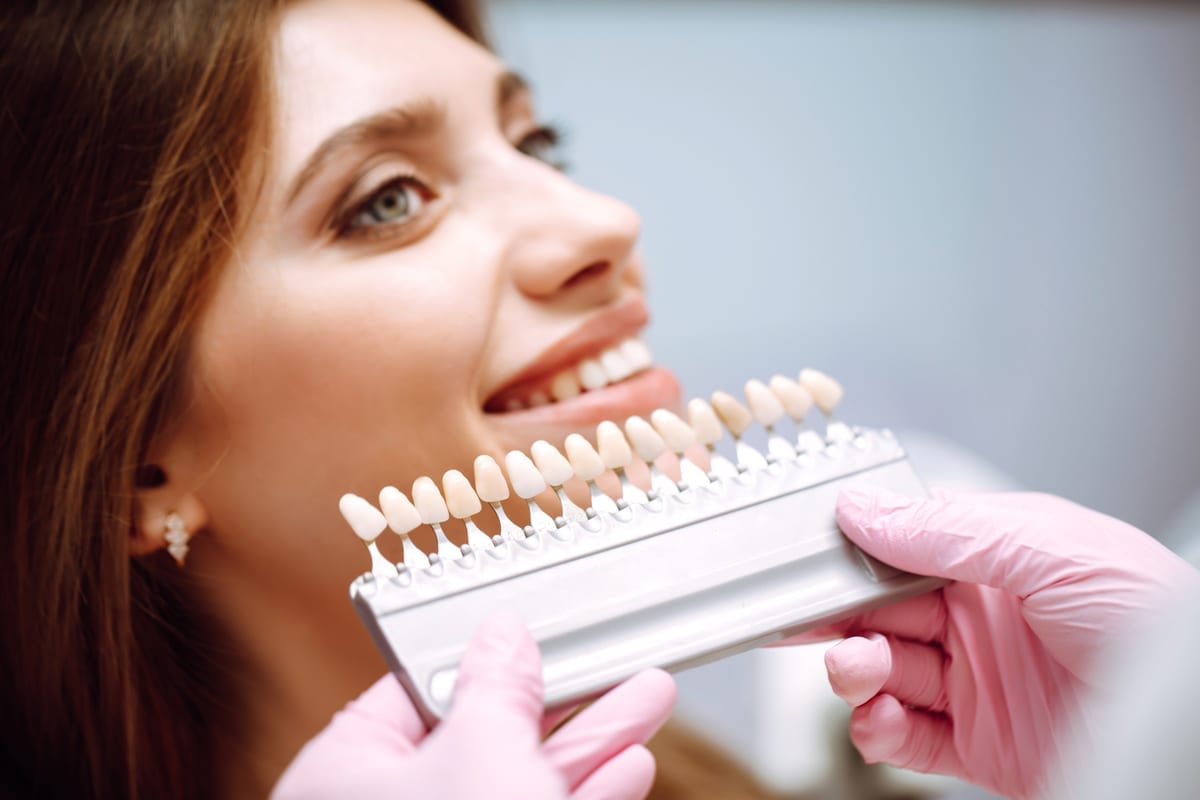
During the consultation, shade selection starts early. You and Dr. Kostiuk review a shade guide together. The goal is to choose a color that looks natural and complements your skin tone. You are never handed a shade without input — your preferences matter throughout this process.
X-rays or digital scans may also be taken at this stage. These images help Dr. Kostiuk assess the underlying bone and tooth structure. Healthy gums are essential before moving forward. If any issues are found, she may recommend Dental Cleanings Austin to prepare your mouth properly.
Enamel Removal: What Happens to Your Natural Teeth
This is the step patients ask about most. To place veneers, a small amount of enamel must be removed from the front surface of each tooth. Typically, the dentist removes between 0.3 and 0.5 millimeters. That is roughly the thickness of a fingernail.
Enamel removal is permanent. Once it is removed, it does not grow back. This is why veneers are considered an irreversible treatment. Dr. Kostiuk makes sure every patient understands this before agreeing to proceed.
The preparation process is precise and controlled. Local anesthesia is used to keep you comfortable throughout. The reshaped tooth surface creates a better bonding area for the veneer. Skipping this step would result in a veneer that looks bulky and unnatural.
- A thin layer of enamel is removed from each tooth
- The amount removed is carefully measured for each case
- Local anesthesia ensures a comfortable experience
- The reshaped surface improves veneer bonding and appearance
- This step is irreversible — proper patient education is essential
The Temporary Veneer Phase
After enamel preparation, your teeth need protection while your permanent veneers are being crafted. Dr. Kostiuk places temporary veneers to cover the prepared surfaces. These temporaries are not the final product, but they serve an important purpose. They protect your teeth and give you a preview of your new smile.
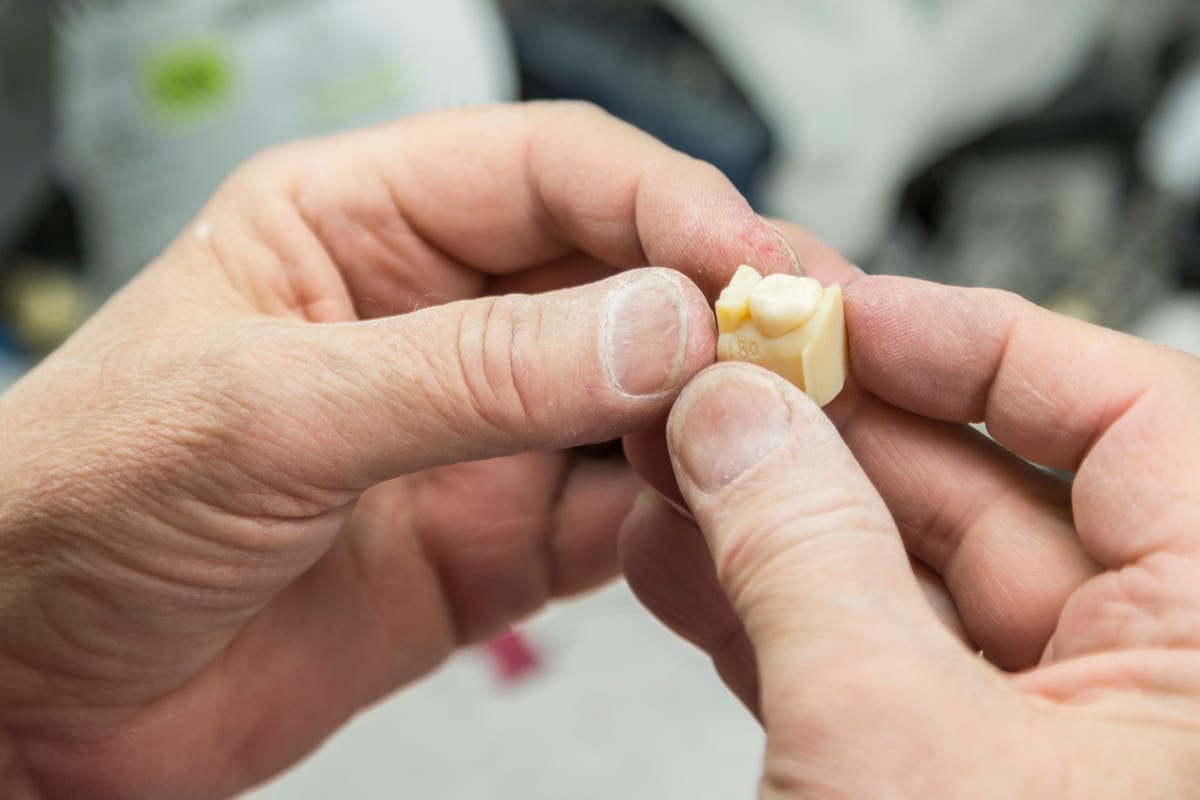
Temporary veneers are made from a softer acrylic material. They are bonded lightly so they can be removed easily at your next appointment. You should avoid very hard or sticky foods during this phase. Treat them gently to keep them in place until your permanent veneers are ready.
This phase usually lasts one to two weeks. The dental lab uses impressions or digital scans taken from your prepared teeth to craft your custom veneers. Precision at this stage determines how well your final veneers fit. Dr. Kostiuk communicates with the lab to ensure every detail meets your expectations.
- Temporary veneers protect your prepared tooth surfaces
- They offer a preview of your smile transformation
- Avoid hard, crunchy, or sticky foods during this phase
- This phase typically lasts one to two weeks
- Your permanent veneers are custom-crafted by a dental lab
Shade Selection and Customization Before Final Bonding
Shade selection is both a science and an art. Your veneer shade is chosen to match or enhance your natural tooth color. Dr. Kostiuk considers your facial features, lip color, and your personal goals. The right shade looks seamless, not artificial.
Beyond color, the shape and translucency of each veneer matter. Veneers can be designed to correct minor chips, close small gaps, or even out uneven edges. This is one reason veneers are often paired with Dental Bonding Austin for comprehensive smile improvements. Every case is unique, and customization is key.
Once your permanent veneers arrive from the lab, Dr. Kostiuk checks them carefully before bonding. She places each veneer without adhesive first to verify fit and shade. Adjustments can be made at this stage if needed. Patient approval is always sought before any permanent bonding begins.
Final Bonding: Securing Your Veneers in Place
The final bonding appointment is when your new smile becomes permanent. Dr. Kostiuk cleans and etches each prepared tooth surface. Etching creates a slightly rough texture that helps the bonding cement grip effectively. A special dental adhesive is then applied to the veneer.
Each veneer is carefully positioned on its corresponding tooth. A curing light activates the bonding cement and hardens it within seconds. Excess cement is removed, and the bite is checked and adjusted. The entire bonding appointment typically takes one to two hours depending on how many veneers are placed.
After bonding, Dr. Kostiuk provides detailed aftercare instructions. She explains how to clean around your veneers and protect them long-term. Porcelain veneers are strong, but they are not indestructible. Avoiding habits like nail-biting and teeth grinding helps extend their lifespan significantly.
Frequently Asked Questions
Does getting veneers hurt?
Most patients experience very little discomfort during the procedure. Local anesthesia is used during the enamel removal stage to keep you comfortable. Some mild sensitivity after preparation is normal and usually fades within a few days. Dr. Kostiuk takes every step to ensure a gentle experience.
How much enamel is actually removed for veneers?
Typically, only 0.3 to 0.5 millimeters of enamel is removed. That is a very small amount, but the removal is permanent. Dr. Kostiuk discusses this thoroughly during your consultation. The goal is to remove only what is necessary for a natural-looking result.
Can I eat normally while wearing temporary veneers?
You can eat most foods, but with some caution. Avoid very hard foods like ice or hard candy, and stay away from sticky items. Temporary veneers are bonded lightly and can dislodge under pressure. Soft foods and careful chewing help protect them until your permanent veneers are placed.
How long do porcelain veneers last?
With proper care, porcelain veneers can last 10 to 20 years or longer. Regular brushing, flossing, and routine dental visits are essential. Wearing a night guard if you grind your teeth also extends their lifespan. Dr. Kostiuk provides personalized aftercare guidance at every stage.
Are veneers right for everyone?
Veneers work well for patients with healthy teeth and gums who want cosmetic improvements. They are not ideal for teeth with significant decay or for patients with severe grinding habits. A thorough consultation with Dr. Kostiuk helps determine whether veneers are your best option. Alternative treatments may be recommended based on your individual needs.
Understanding what happens to your natural teeth during veneer placement in Austin empowers you to move forward with confidence. Dr. Nichole Kostiuk and the team at TRU Dentistry Austin are here to answer every question and guide you through each step. Book Now to schedule your appointment with our team.