9901 Brodie Ln Suite 130, Austin, TX 78748




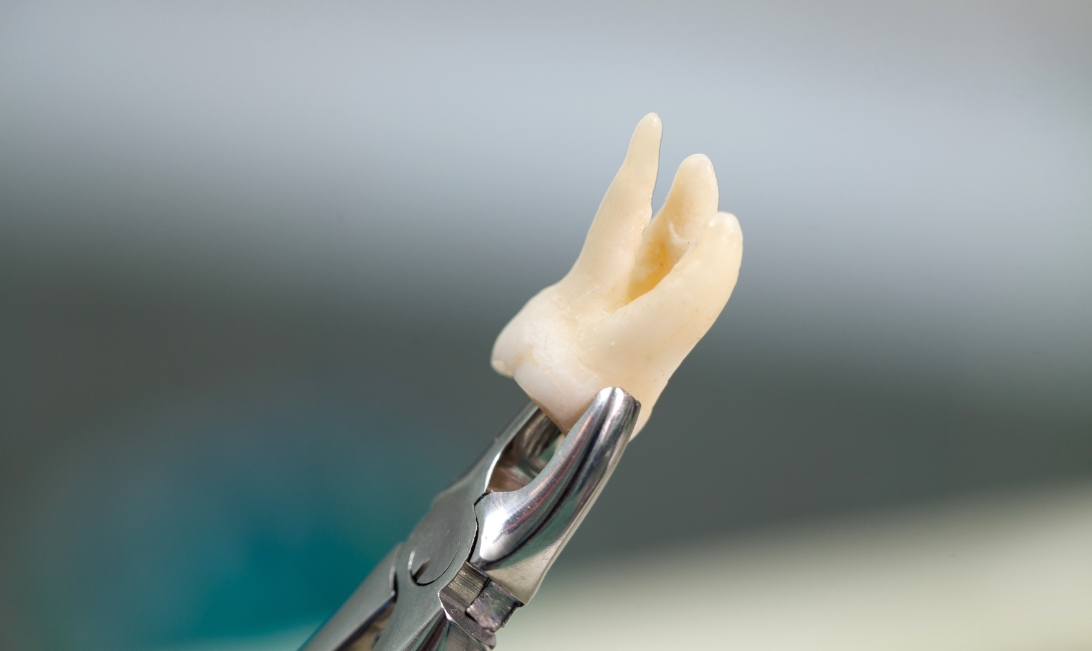
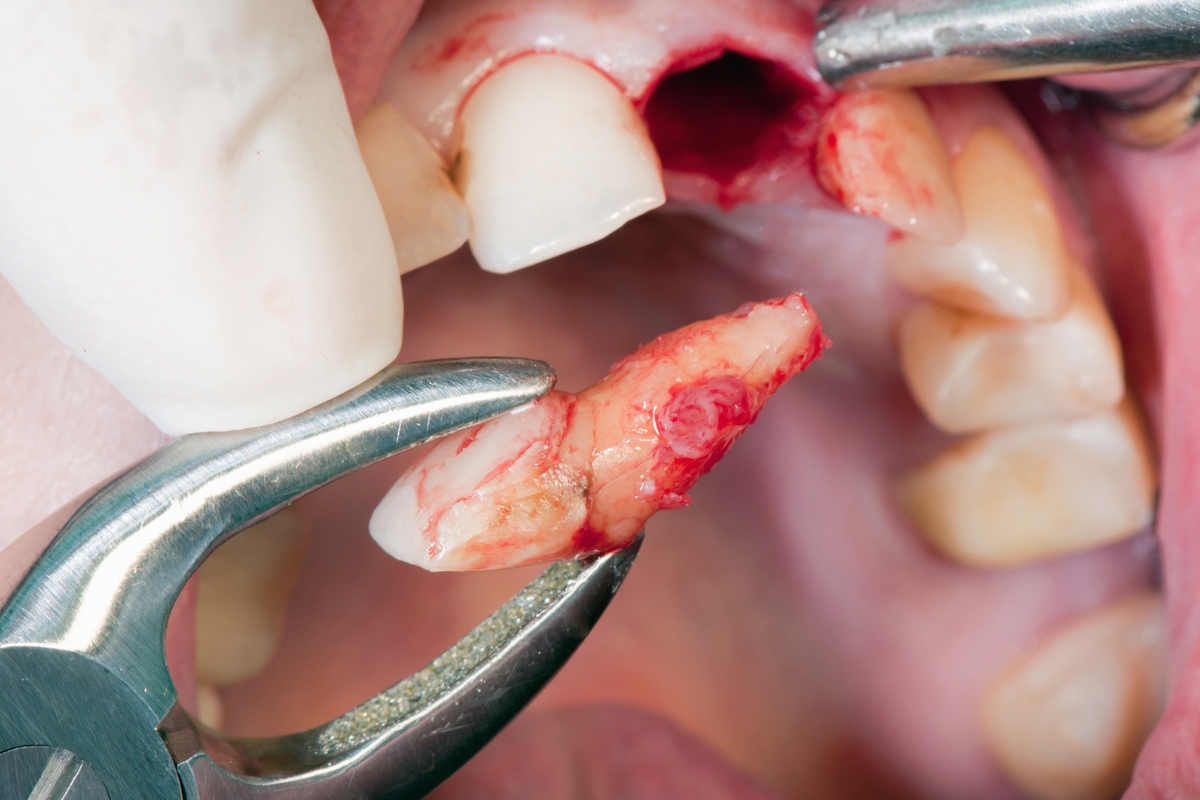
Getting a tooth extraction can be a daunting experience, and naturally, there are questions about what you can eat and drink after the procedure. For coffee lovers, one pressing concern is whether it’s safe to drink coffee after a tooth extraction. In this blog, we’ll address this question and provide guidance on how to reduce the risk of complications, what to eat and drink post-extraction, when it’s safe to enjoy your favorite cup of coffee, and how to promote healing.
How To Reduce Risk of Complications
After a tooth extraction, the primary concern is to avoid complications such as dry socket or infections. A dry socket occurs when the blood clot that forms in the extraction site becomes dislodged or doesn’t form properly, leaving the bone and nerve exposed. This can cause intense pain and delay the healing process. To reduce the risk of complications:
- Follow your dentist’s instructions: Your Austin dentist will provide specific guidelines for post-extraction care, which may include taking prescribed medications, keeping the extraction site clean, and avoiding certain activities like smoking.
- Avoid spitting or using straws: These actions create suction, which can disturb the blood clot and increase the risk of dry socket.
- Keep the area clean but be gentle: Gently rinse your mouth with warm salt water after 24 hours to reduce bacteria buildup, but be careful not to swish too vigorously.
What to Eat and Drink After Tooth Removal
Immediately following a tooth extraction, it’s essential to consume soft foods and beverages that won’t irritate the extraction site. For the first 24 to 48 hours, avoid solid or chewy foods and opt for easy-to-consume items like:
- Smoothies (without a straw)
- Applesauce
- Yogurt
- Mashed potatoes
- Broths or soft soups
When it comes to drinking liquids, stick to water in the initial hours post-extraction. Water helps keep your body hydrated and aids in the healing process. Steer clear of hot, caffeinated beverages like coffee in the first 24 hours, as the heat can interfere with the clotting process and increase the risk of complications.
When Is It Safe to Drink Coffee?
For coffee enthusiasts wondering when they can safely drink coffee after a tooth extraction, the general rule of thumb is to wait at least 48 hours. Here’s why:
- Heat and blood clot formation: Drinking hot coffee too soon after extraction can dissolve or dislodge the blood clot at the surgical site, leading to a dry socket. It’s recommended to wait until the clot has fully formed and healing is underway.
- Caffeine and dehydration: Caffeine is a diuretic, meaning it can cause dehydration. Since hydration is vital to recovery, it’s better to limit caffeinated beverages like coffee until you’re fully hydrated. Opt for water or herbal teas instead in the first couple of days.
Once you’re past the initial 48-hour window, you can start reintroducing coffee into your routine, but with some precautions:
- Drink lukewarm coffee: To avoid harming the blood clot or disrupting the healing process, make sure the coffee is at a lukewarm or room temperature rather than hot.
- Limit the caffeine: Since caffeine can still cause dehydration, try to limit your coffee intake during the healing process and make sure to balance it out with plenty of water.
- Avoid stirring or sloshing: Be mindful not to swish the coffee around in your mouth, as the agitation can disturb the extraction site.
How to Promote Healing
Ensuring a smooth and quick recovery after your tooth extraction requires proper aftercare. Here are some additional tips to promote healing:
- Rest and allow your body to heal: Avoid strenuous activities, especially during the first 48 hours after the extraction. Rest will help your body recover more quickly.
- Maintain oral hygiene: While you should avoid brushing near the extraction site for the first 24 hours, resume gentle brushing and rinsing with salt water afterward to keep your mouth clean and prevent infection.
- Take prescribed medications: Follow your dentist’s instructions for any prescribed antibiotics or pain relievers. These will help manage pain, reduce inflammation, and prevent infections.
- Cold compresses: If you experience swelling, applying an ice pack to the outside of your cheek in short intervals can help reduce swelling and discomfort.
- Stay hydrated: Water is crucial in the healing process. It helps keep the mouth clean and encourages the body’s natural healing functions. Be sure to drink plenty of water throughout your recovery.
While it’s understandable to want to return to your daily coffee routine after an extraction, it’s essential to follow your Austin dentist’s advice and give your mouth time to heal properly. It’s generally safe to drink coffee after a tooth extraction once you’ve passed the 48-hour mark, but remember to keep it lukewarm and avoid drinking it too quickly. Hydration and proper care are key to promoting healing and preventing complications.
Incorporating these precautions will allow you to enjoy your coffee again without worrying about disrupting your recovery. Ultimately, whether you can drink coffee after a tooth extraction comes down to patience and following a careful approach to your aftercare routine.