9901 Brodie Ln Suite 130, Austin, TX 78748



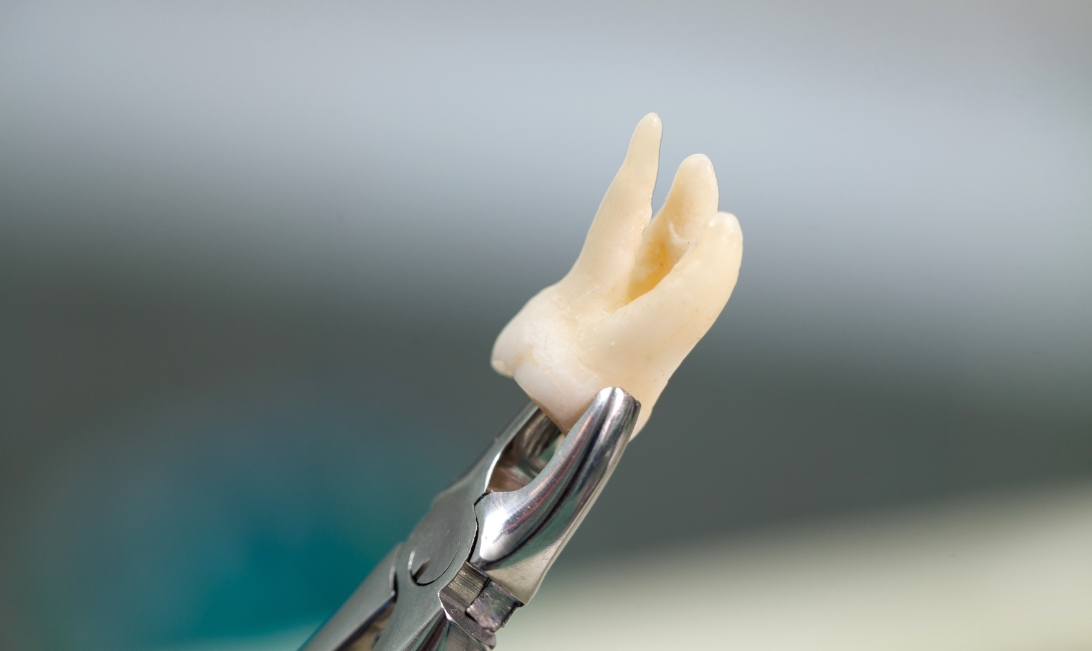
Tooth extraction can be necessary for various reasons, from severe decay to overcrowding. While it is a common dental procedure, many people worry about the aftereffects, especially bleeding. Knowing how to manage tooth extraction bleeding is crucial for a smooth recovery. This guide will provide you with essential tips and techniques to control bleeding after a tooth extraction, ensuring a faster and more comfortable healing process. If you ever find yourself in need of help, consulting a tooth extraction specialist can provide you with the right care and guidance.
What to Expect After a Tooth Extraction?
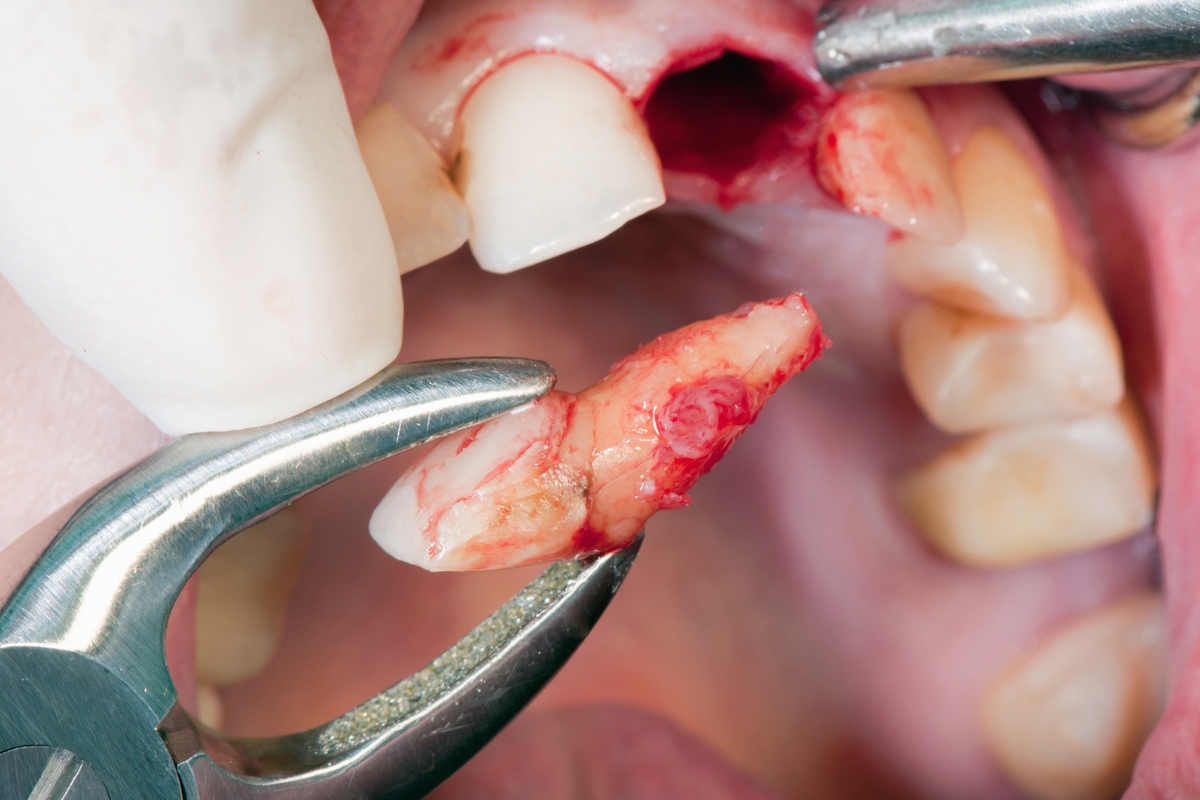
After a tooth extraction, it’s normal to experience some bleeding. Here’s what you can typically expect:
- Initial Bleeding: A small amount of blood is expected immediately after the extraction. This should gradually lessen over a few hours.
- Formation of a Clot: Blood will start to clot around the extraction site. This clot is essential for the healing process.
- Continued Bleeding: Some patients may experience continued bleeding for up to 24 hours. If bleeding persists, it’s important to take action.
Understanding these stages can help you stay calm and address any concerns.
Tips to Stop Tooth Extraction Bleeding
If you notice excessive bleeding after your extraction, here are steps you can take to manage it effectively:
Bite on Gauze
One of the most common methods to control bleeding is to bite down on a piece of gauze:
- Use Clean Gauze: Place a sterile piece of gauze over the extraction site.
- Apply Pressure: Bite down firmly for about 30-60 minutes. This pressure helps form a clot.
- Change as Needed: If the gauze becomes soaked, replace it with a fresh piece and continue to apply pressure.
Avoid Strenuous Activities
Post-extraction, it’s important to give your body a chance to heal:
- Rest: Avoid strenuous exercise or heavy lifting for at least 24 hours.
- Stay Calm: High blood pressure can cause more bleeding. Relaxation helps control it.
Maintain Head Position
Your head position can influence bleeding:
- Elevate Your Head: In case of a wisdom tooth removal, it is essential to keep your head elevated with pillows while resting. This can help reduce blood flow to the extraction site.
Foods and Drinks to Avoid
Certain foods and drinks can worsen bleeding or disrupt the healing process. Here’s what to steer clear of:
- Hot Foods and Drinks: Hot temperatures can dissolve blood clots, leading to more bleeding.
- Spicy Foods: Spices may irritate the extraction site.
- Alcohol: It can delay healing and increase the risk of complications.
- Straws: Using straws can create suction that dislodges blood clots. Avoid straws for at least 24 hours after your procedure.
Choosing the right foods can significantly affect your recovery. Stick to soft foods and cold liquids for the first few days.
When to Seek Help?
While some bleeding is normal, excessive or prolonged bleeding may require medical attention. Be aware of the following signs:
- Persistent Bleeding: If bleeding continues for more than 24 hours despite taking measures to control it, consult a professional.
- Signs of Infection: Symptoms like fever, increased pain, or swelling may indicate an infection.
- Severe Pain: Intense discomfort that does not improve with pain medication should be assessed by a dentist or oral surgeon.
If you experience any of these symptoms, don’t hesitate to reach out to a tooth extraction specialist in Austin for further evaluation.
Maintaining Oral Hygiene Post-Extraction
Good oral hygiene is essential after a tooth extraction to promote healing and prevent complications. Here are some tips for maintaining hygiene:
- Gentle Rinsing: After 24 hours, rinse your mouth gently with warm salt water. This helps cleanse the area without disturbing the clot.
- Avoid Brushing Near the Site: For the first few days, avoid brushing directly over the extraction site to prevent dislodging the clot. You can resume normal brushing after a few days.
- Use Antibacterial Mouthwash: If recommended by your dentist, use an antibacterial mouthwash to help reduce the risk of infection.
Following these hygiene tips will aid in your recovery process and minimize the risk of complications.
Managing tooth extraction bleeding effectively can greatly enhance your recovery experience. By following the tips provided, you can minimize bleeding and promote healing. If you have concerns or complications, consulting a tooth extraction specialist in Austin is always a wise choice. Remember to rest, maintain good hygiene, and seek help when necessary. Your oral health is important, and with the right care, you can navigate the post-extraction process with confidence.