9901 Brodie Ln Suite 130, Austin, TX 78748


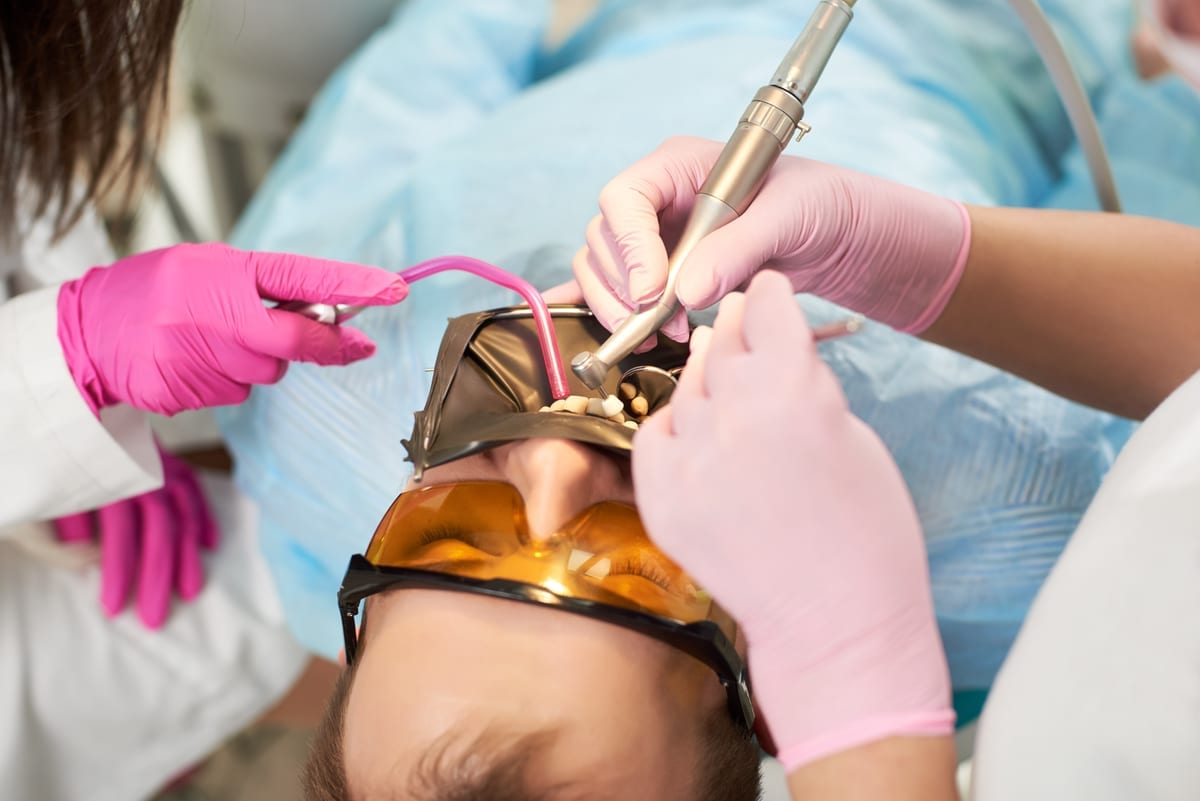
If you’ve been told you need a root canal, your first question is probably: does a root canal really hurt? It’s one of the most common concerns we hear at TRU Dentistry Austin. The honest answer may surprise you. Modern dentistry has changed root canals dramatically. Most patients in Austin, TX report that the procedure itself is far more comfortable than they imagined.
This article walks you through exactly what to expect — before, during, and after your root canal. We’ll cover what modern anesthesia actually does, what sensations are normal, and how recovery really goes.
Does a Root Canal Really Hurt? The Honest Answer for Austin Patients
The short answer is: not as much as you think. The pain reputation of root canals comes from an older era of dentistry. Today, dentists use advanced local anesthesia that numbs the area completely. Most patients feel pressure or mild vibration — not sharp pain.
The discomfort you feel before a root canal is usually the real culprit. Infected or inflamed pulp causes intense, throbbing pain. The root canal procedure actually removes that source of pain. Think of it as the solution, not the problem.
Dr. Nichole Kostiuk at TRU Dentistry Austin takes time to ensure every patient is fully numb before beginning. She won’t proceed until you’re comfortable. That commitment to patient comfort makes a real difference in the experience.
What Modern Anesthesia Actually Does During a Root Canal
Local anesthesia is the cornerstone of a pain-free root canal. Your dentist injects an anesthetic — typically lidocaine — directly into the gum tissue near the affected tooth. Within minutes, the nerve signals in that area are completely blocked.
You may feel a brief pinch during the injection itself. That’s usually the most uncomfortable moment of the entire procedure. After that, the tooth and surrounding area go numb quickly.
Some patients with severe infections find it slightly harder to get fully numb. This is because acidic infected tissue can reduce anesthetic effectiveness. In these cases, Dr. Kostiuk may use additional anesthetic or a slightly different injection technique to ensure full comfort before proceeding.
- Local anesthesia blocks nerve signals within minutes
- You feel pressure and vibration — not pain
- Additional anesthetic is always available if needed
- Dr. Kostiuk confirms comfort before starting any work
- The numbing effect lasts well past the procedure
What You Actually Feel During the Procedure
Once you’re numb, the procedure begins. Your dentist creates a small opening in the top of the tooth. Specialized instruments then remove the infected or damaged pulp tissue from inside the tooth’s canals.
During this process, most patients feel:
- Pressure from the dental instruments
- Mild vibration from certain tools
- The sensation of the dentist working — but no sharp pain
- Occasional clicking or scraping sounds
These sensations are completely normal. They don’t indicate that something is wrong. If at any point you feel actual pain, raise your hand immediately. Your dentist will stop and add more anesthetic before continuing.
The procedure typically takes 60 to 90 minutes. Complex cases with multiple canals may take longer. Afterward, the tooth is sealed and a temporary or permanent crown is often placed to protect it.
Post-Procedure Pain: What Recovery Actually Looks Like
After your root canal, the anesthesia wears off over a few hours. This is when mild soreness typically sets in. The tissues around the tooth were manipulated during treatment, so some tenderness is expected.
Most patients describe post-root canal discomfort as:
- Mild to moderate soreness around the tooth
- Sensitivity when biting down for a day or two
- Tenderness in the gum tissue nearby
Over-the-counter pain relievers like ibuprofen or acetaminophen manage this discomfort well for most people. Prescription pain medication is rarely necessary after a straightforward root canal.
The soreness usually peaks within 24 to 48 hours. Most patients return to normal activities the very next day. Avoiding hard or chewy foods on that side of the mouth speeds up comfort during recovery.
It’s worth noting that maintaining your overall oral health plays a role in recovery too. Patients who keep up with regular Dental Cleanings Austin tend to have healthier gum tissue, which can support smoother healing after any dental procedure.
How to Know if Your Pain Is Normal or a Warning Sign
Some discomfort after a root canal is expected. But certain symptoms warrant a call to your dentist. Knowing the difference helps you recover with confidence.
Normal after a root canal:
- Mild soreness for 2–3 days
- Slight sensitivity when biting
- Minor gum tenderness around the tooth
Call your dentist if you experience:
- Severe or worsening pain after 3 days
- Visible swelling in the face or jaw
- A return of the original throbbing pain
- Fever or chills alongside dental pain
These signs could indicate a complication or incomplete treatment. Dr. Kostiuk and the TRU Dentistry Austin team are always available to assess your recovery and answer concerns promptly.
Protecting Your Tooth After a Root Canal
A root canal saves your natural tooth. But the tooth still needs protection afterward. A dental crown is typically recommended to restore strength and prevent fractures.
If your tooth has minor surface damage alongside deeper issues, your dentist might also suggest Dental Bonding Austin for cosmetic repair of nearby teeth. Combining treatments can restore both function and appearance efficiently.
Taking care of the restored tooth is straightforward. Brush twice daily, floss regularly, and attend your routine dental checkups. A well-maintained root canal tooth can last a lifetime with proper care.
Frequently Asked Questions
Does getting a root canal hurt more than a tooth extraction?
Not usually. Both procedures use local anesthesia to eliminate pain during treatment. Many patients actually find root canals more comfortable than extractions because the tooth stays in place. Post-procedure soreness is similar for both, though individual experiences vary.
How long does root canal pain last after the procedure?
Most patients experience mild soreness for 2 to 3 days after a root canal. The discomfort is usually manageable with over-the-counter pain relievers. Significant pain beyond 3 to 4 days is uncommon and should be evaluated by your dentist.
Can I go to work the day after a root canal?
Yes, most patients return to work or normal activities the very next day. The procedure doesn’t require extended downtime. You may want to avoid strenuous physical activity for 24 hours while the tissue settles.
Why does my tooth still feel sore if the nerve was removed?
The nerve inside the tooth was removed, but the ligaments and tissue surrounding the tooth root remain. These tissues can become inflamed during treatment and take a few days to settle. That soreness is temporary and resolves on its own as healing progresses.
Is a root canal always necessary, or are there alternatives?
When the pulp inside a tooth is infected or severely damaged, a root canal is typically the only way to save the natural tooth. The alternative is extraction. Saving your natural tooth is almost always the preferred outcome, as it preserves bite function and jaw structure long-term.
If you’ve been putting off treatment because of fear or uncertainty, you don’t have to figure this out alone. Dr. Nichole Kostiuk and the team at TRU Dentistry Austin are here to walk you through every step with honesty and care. Book Now to schedule your appointment with our team.