9901 Brodie Ln Suite 130, Austin, TX 78748



Understanding your dental bridge appointment in Austin before you arrive can make the whole process feel far less daunting. At TRU Dentistry Austin, Dr. Nichole Kostiuk guides every patient through each stage with clear explanations and gentle care. Whether you are replacing one missing tooth or several, knowing what to expect puts you in control. This guide walks you through every step — from your first consultation to final placement.
Stage One: Your Consultation and Treatment Planning in Austin
Your dental bridge journey starts with a thorough consultation. Dr. Kostiuk examines your teeth, gums, and bite to confirm that a bridge is the right solution for you. She reviews your dental and medical history during this visit. X-rays help her assess the health of the supporting teeth on either side of the gap.
After the exam, Dr. Kostiuk discusses your options clearly. She explains the type of bridge that suits your situation best. Traditional bridges, cantilever bridges, and implant-supported bridges each work differently. She answers every question before moving forward.
You also receive a personalised treatment timeline at this stage. The team walks you through how many appointments to expect. Most patients need two to three visits to complete the process. Knowing the full picture helps you plan ahead with confidence.
Stage Two: Preparing the Abutment Teeth
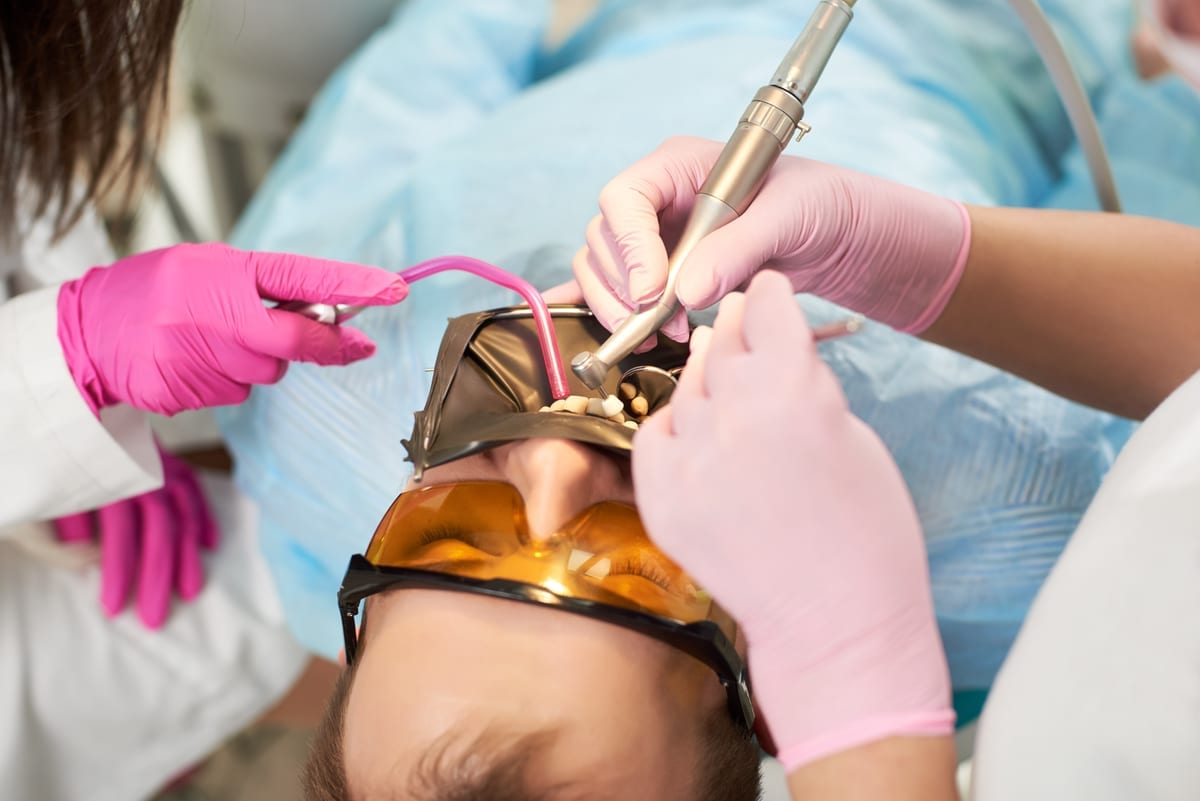
The second appointment focuses on preparing the teeth that will anchor your bridge. These anchor teeth are called abutment teeth. Dr. Kostiuk gently reshapes them to create space for the crowns that hold the bridge in place. Local anaesthetic is applied first, so you feel comfortable throughout.
Many patients worry this stage will be painful. In reality, most people feel only mild pressure — not sharp discomfort. The team checks in with you regularly during preparation. If you feel anything beyond pressure, simply signal and adjustments are made immediately.
Once shaping is complete, impressions are taken of your teeth. These impressions capture the precise shape of your bite and surrounding teeth. Digital scans may also be used for even greater accuracy. The lab uses these records to craft your custom bridge.
A temporary bridge is placed before you leave. It protects the prepared teeth while your permanent bridge is being made. The temporary bridge also lets you eat and speak normally between appointments. Most patients adjust to it quickly within the first day.
What to Expect While Your Bridge Is Being Made
Your custom bridge is crafted at a dental laboratory while you go about your normal life. This process typically takes one to two weeks. The lab matches the colour, shape, and size of your natural teeth precisely. The result is a bridge that blends seamlessly with your smile.
During this waiting period, you care for your temporary bridge at home. Avoid sticky or hard foods that could dislodge it. Brush gently around the area and floss carefully. The team provides written care instructions so you always know what to do.
This is also a good time to schedule a Dental Cleanings Austin visit if you are overdue. Clean, healthy gums support the long-term success of your bridge. Good oral hygiene habits during this phase set you up for a strong result. Dr. Kostiuk’s team is always available if questions arise before your next appointment.
Stage Three: Placing Your Permanent Bridge
Your final appointment is when everything comes together. Dr. Kostiuk removes your temporary bridge and cleans the abutment teeth thoroughly. She then checks the fit of your permanent bridge carefully before cementing it in place. Colour, shape, and bite alignment are all assessed at this stage.
If any minor adjustments are needed, they happen chairside before final placement. Small refinements ensure your bite feels completely natural. Most patients are surprised by how comfortable and seamless the bridge feels immediately. Once Dr. Kostiuk confirms the fit is perfect, the bridge is bonded securely.
The cementing process itself is quick and painless. You may feel mild pressure as the bridge is seated onto the abutment teeth. A special dental cement bonds everything firmly in place. Your new bridge is fully functional as soon as you leave the chair.
Benefits of Choosing a Dental Bridge
A dental bridge does more than close a gap in your smile. It restores your ability to chew comfortably and speak clearly. It also prevents surrounding teeth from shifting out of alignment over time. For many Austin patients, it is a practical and durable long-term solution.
- Restores full chewing function and bite balance
- Prevents neighbouring teeth from drifting into the gap
- Maintains the natural shape of your face and jawline
- Looks and feels like natural teeth when properly fitted
- Typically completed in just two to three appointments
- Long-lasting results with proper daily care and regular check-ups
If your teeth need additional cosmetic refinement alongside your bridge, Dental Bonding Austin is a complementary option worth discussing. Dr. Kostiuk can address chips, gaps, or discolouration on neighbouring teeth at the same time. A comprehensive plan ensures your entire smile looks cohesive and natural.
How to Care for Your Bridge After Placement
Caring for a dental bridge is straightforward with the right habits. Brush twice daily using a soft-bristled toothbrush. Floss daily, using a floss threader or interdental brush to clean beneath the bridge. This prevents plaque build-up in the spaces your regular floss cannot easily reach.
- Use a floss threader or water flosser to clean under the bridge
- Avoid chewing ice, hard candy, or sticky foods
- Attend regular dental check-ups every six months
- Report any changes in bite or discomfort to Dr. Kostiuk promptly
- Rinse with an antibacterial mouthwash to protect gum tissue
With proper care, a dental bridge can last ten to fifteen years or longer. The supporting abutment teeth and surrounding gums need to stay healthy for the bridge to remain stable. Regular professional cleanings are essential for long-term success. Dr. Kostiuk and her team monitor your bridge at every check-up visit.
Keeping You Comfortable at Every Stage
Patient comfort is a priority at TRU Dentistry Austin. Dr. Kostiuk uses gentle techniques and clear communication throughout every appointment. She explains each step before performing it so nothing feels unexpected. Patients who experience dental anxiety are encouraged to share their concerns openly.
The team offers several comfort options to make your visits easier. These include a calm, welcoming environment and careful pain management at each stage. Most patients report that the procedure is far more comfortable than they anticipated. Feeling informed and supported makes a genuine difference to the experience.
If you are ready to restore your smile with a dental bridge, the TRU Dentistry Austin team is here to help. Dr. Kostiuk creates personalised treatment plans that prioritise both function and aesthetics. Every stage is handled with expertise and genuine care for your wellbeing. Book Now to schedule your appointment with our team.
Frequently Asked Questions
How many appointments does a dental bridge take in Austin?
Most patients complete their dental bridge treatment in two to three appointments. The first visit covers consultation and tooth preparation. The second visit places the permanent bridge once it returns from the laboratory. Dr. Kostiuk keeps each appointment as efficient as possible without rushing the process.
Does getting a dental bridge hurt?
The preparation stage uses local anaesthetic, so most patients feel only mild pressure — not pain. Some sensitivity in the prepared teeth is normal for a few days after each appointment. Over-the-counter pain relief is usually sufficient to manage any post-appointment discomfort. Dr. Kostiuk discusses comfort management with you before each stage begins.
How long does a dental bridge last?
A well-cared-for dental bridge typically lasts between ten and fifteen years, and sometimes longer. Longevity depends on your oral hygiene habits, diet, and regular dental visits. Keeping the abutment teeth and surrounding gums healthy is essential for bridge stability. Dr. Kostiuk monitors your bridge at every check-up to catch any issues early.
Can I eat normally with a dental bridge?
Yes — once your permanent bridge is placed, you can eat most foods comfortably. It is best to avoid very hard or extremely sticky foods that could stress the bridge over time. Chewing on both sides of your mouth evenly helps distribute bite pressure. Most patients find their chewing ability improves significantly compared to living with a missing tooth.
What happens if I do not replace a missing tooth?
Leaving a gap unfilled allows neighbouring teeth to drift gradually toward the empty space. This shifting can affect your bite alignment and lead to jaw discomfort over time. Bone loss in the jaw beneath the gap can also occur without a tooth root present. A dental bridge helps prevent these complications by filling the space and supporting surrounding teeth.