9901 Brodie Ln Suite 130, Austin, TX 78748




Tooth sensitivity is a common dental complaint, especially when consuming cold foods or drinks. However, if your teeth are unusually sensitive to cold, it might indicate something more than just thin enamel. While enamel thinning is a common culprit, other underlying issues may be contributing to your discomfort. Understanding these causes and addressing them early can help prevent more serious dental issues down the road. In this blog, we’ll explore why tooth sensitivity to cold could be more than a minor problem and what you can do about it.
The Basics of Tooth Sensitivity
Tooth sensitivity occurs when the underlying layer of your tooth, known as the dentin, becomes exposed. The dentin is full of tiny tubules that connect to the nerve in the center of the tooth. When these tubules are exposed to stimuli, such as cold or hot foods, they transmit signals to the nerve, causing pain. While enamel erosion is a common cause, other factors can contribute to tooth sensitivity.
What Causes Tooth Sensitivity?
Several factors can lead to tooth sensitivity, including:
- Enamel Erosion: One of the most common causes of sensitivity, enamel erosion occurs when the protective outer layer of your teeth wears down. This can be caused by acidic foods and drinks, aggressive brushing, or teeth grinding.
- Gum Recession: When the gums recede, they expose the tooth roots, which are not covered by enamel. This makes them more sensitive, especially to cold.
- Tooth Decay or Cavities: Cavities create openings in the enamel, which can lead to sensitivity. If you’re experiencing pain from cold foods, it could be a sign of decay that needs to be addressed.
- Teeth Grinding (Bruxism): Grinding your teeth can wear down enamel and cause microfractures, leading to increased sensitivity.
- Cracked Teeth: A cracked tooth can expose the dentin and create sensitivity, especially to temperature changes.
- Dental Procedures: Recent dental work, such as fillings, crowns, or teeth-whitening treatments, can sometimes cause temporary sensitivity as your teeth adjust.
How Cold Affects Sensitive Teeth
Cold stimuli can trigger a sudden, sharp pain in sensitive teeth. This sensation can occur when drinking a cold beverage, eating ice cream, or even breathing in cold air. The cold sensation causes the dentin to contract, sending a pain signal to the nerve. If the sensitivity lasts longer than a few moments or if it’s painful enough to cause daily discomfort, it’s a good idea to consult a dentist in Austin.
Treatment Options for Sensitive Teeth
Fortunately, there are several treatment options available to manage and treat tooth sensitivity. A dentist in Austin can recommend a variety of solutions based on your specific condition:
- Desensitizing Toothpaste: Specially formulated to block pain signals from reaching the nerve, it can provide relief for mild tooth sensitivity.
- Fluoride Treatments: A fluoride treatment applied at the dentist’s office can help strengthen tooth enamel and reduce sensitivity.
- Dental Sealants: These thin, protective coatings can be applied to teeth to help protect exposed dentin.
- Gum Grafting: If gum recession is causing your sensitivity, a gum graft can help cover the exposed root surfaces and reduce discomfort.
- Restorative Dental Treatments: If you have cavities or cracks in your teeth, restorative treatments such as fillings, crowns, or root canals may be necessary to protect the affected areas and eliminate sensitivity.
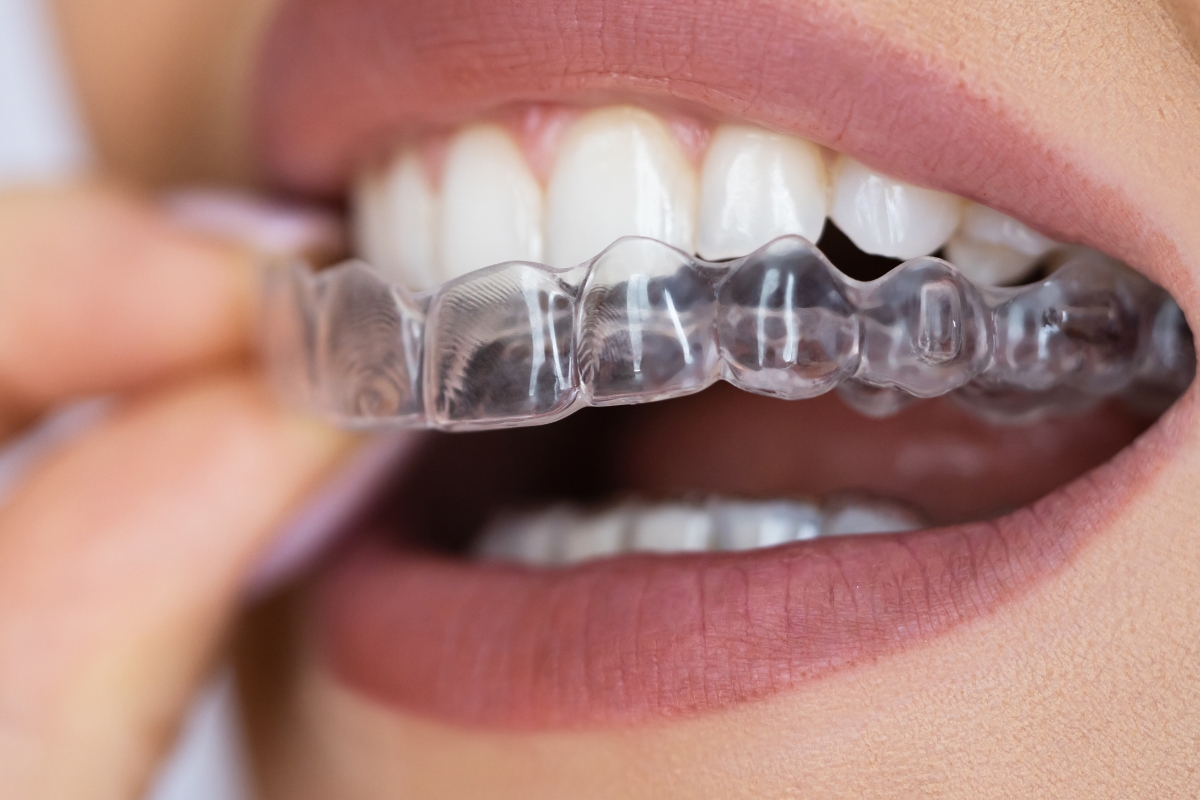
- Night Guards: If teeth grinding is contributing to your sensitivity, a custom night guard can help protect your teeth from further damage.
Preventing Tooth Sensitivity
While treatments can help address the problem, prevention is always better than a cure. Here are a few tips to prevent tooth sensitivity:
- Brush Gently: Avoid brushing your teeth too hard. Use a soft-bristled toothbrush and gentle strokes to preserve your enamel.
- Avoid Acidic Foods and Drinks: Limit your consumption of acidic foods and drinks, such as citrus, soda, and wine, which can wear down enamel over time.
- Drink Water: Stay hydrated to maintain adequate saliva production, which helps protect your teeth.
- Use a Mouthguard: If you grind your teeth at night, consider wearing a mouthguard to protect your enamel and reduce sensitivity.
- Regular Dental Checkups: Regular checkups with a dentist in Austin are essential for maintaining your oral health and addressing any issues before they become serious.
If you’re experiencing persistent tooth sensitivity in Austin, it’s time to schedule an appointment with a professional. At Tru Dentistry, we understand the importance of maintaining your oral health and can help diagnose and treat the underlying causes of your discomfort. Don’t wait for the problem to worsen – contact us today and take the first step toward a more comfortable smile.
People Also Ask
Q: How do I know if I have tooth sensitivity or a cavity?
A: Tooth sensitivity typically involves sharp pain from hot or cold stimuli, while cavities can cause prolonged discomfort or pain even without stimulation. A dentist can diagnose the issue through a thorough exam.
Q: Can tooth sensitivity go away on its own?
A: In some cases, sensitivity may improve on its own, but persistent or severe sensitivity usually requires professional treatment to prevent further damage.
Q: Can gum disease cause tooth sensitivity?
A: Yes, gum disease can lead to gum recession, which exposes the tooth roots and increases sensitivity. Treatment can help manage the condition.
Q: How long will tooth sensitivity last?
A: The duration of tooth sensitivity depends on the underlying cause. It may be temporary after a dental procedure, but if it persists, it’s important to consult a dentist for proper treatment.