9901 Brodie Ln Suite 130, Austin, TX 78748



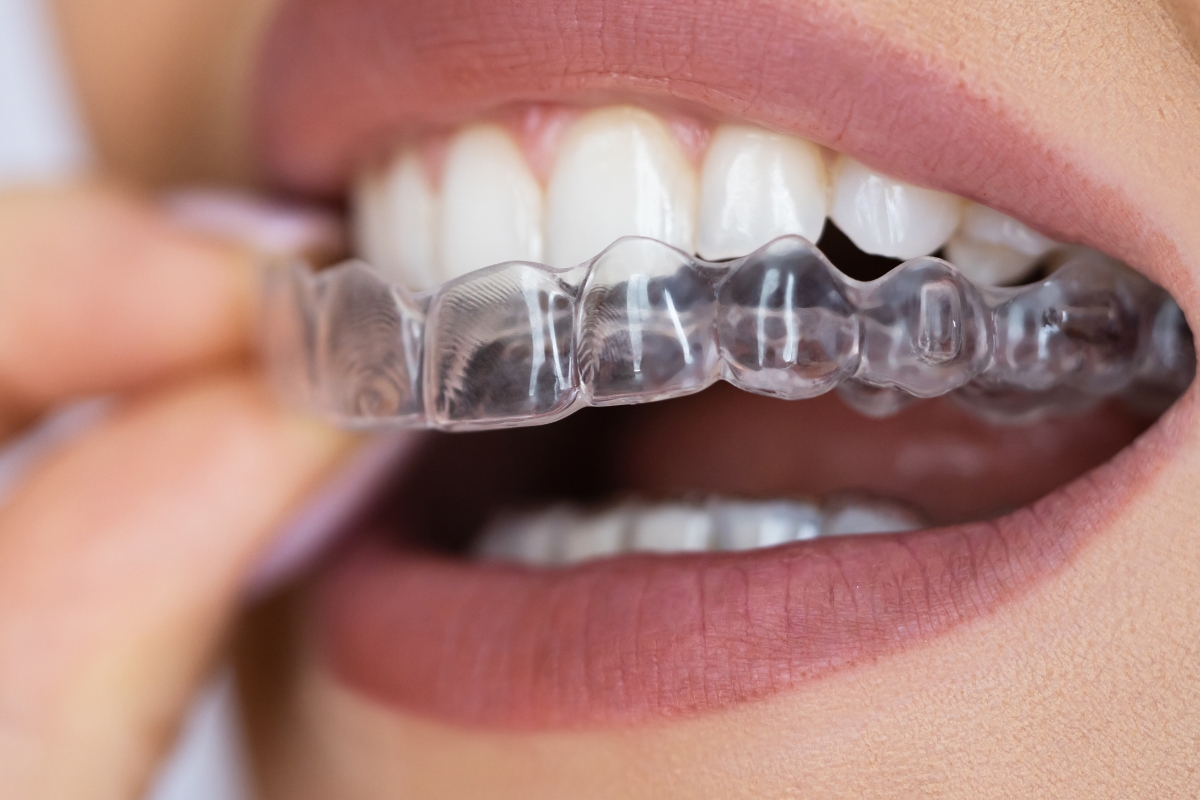
Aligners are removed, but faint chalky patches showed up. You’re not alone. Those “white spots” are early enamel changes that can follow orthodontic treatment. They form where plaque sits around clear braces, and acids pull minerals from enamel (demineralization). The good news: modern minimally invasive treatment options can fade or mask them and protect your teeth long-term. Research matters here, and we’ve pulled it together for you.
Why do white spots appear, and can they be eradicated?
It is harder to brush around brackets with clear braces. New white-spot lesions (WSLs) develop in approximately 46% of orthodontic patients, and up to 68% develop them at some time during the course of the treatment. Some spots soften visually during the first year after bracket removal as saliva helps remineralize enamel, but others don’t budge without tailored oral care.
Proven treatments for white spots
1) Remineralisation treatment (fluoride & home care)
Topical fluoride (such as fluoride varnish) enables mineral re-gain on enamel. It’s non-surgical, harmless, and strengthens tooth surfaces, though cosmetic improvement might take months. Following daily oral hygiene, reducing consumption of sugary food and drink, and using fluoride toothpaste remain important.
2) CPP-ACP creams (MI Paste)
Casein phosphopeptide–amorphous calcium phosphate (CPP-ACP) releases bioavailable phosphate and calcium to the lesion surface. Clinical abstracts have described widespread regression of lesions and restoration of surface hardness, especially with frequent application and with fluoride.
3) Resin infiltration (Icon)
Resin infiltration draws a low-viscosity resin into the porous white spot, changing how light scatters and improving the look immediately while blocking further diffusion of acids. A systematic review and meta-analysis found greater masking than natural remineralization or fluoride varnish alone; a trial showed better esthetics than microabrasion at 12 months.
4) Microabrasion (whitening)
For flat, well-defined lesions, minimal enamel microabrasion will polish the surface; selective bleaching can then be done. Results are satisfactory when the treatment is well planned.
What to expect with Dr. Kostiuk at TRU Dentistry Austin
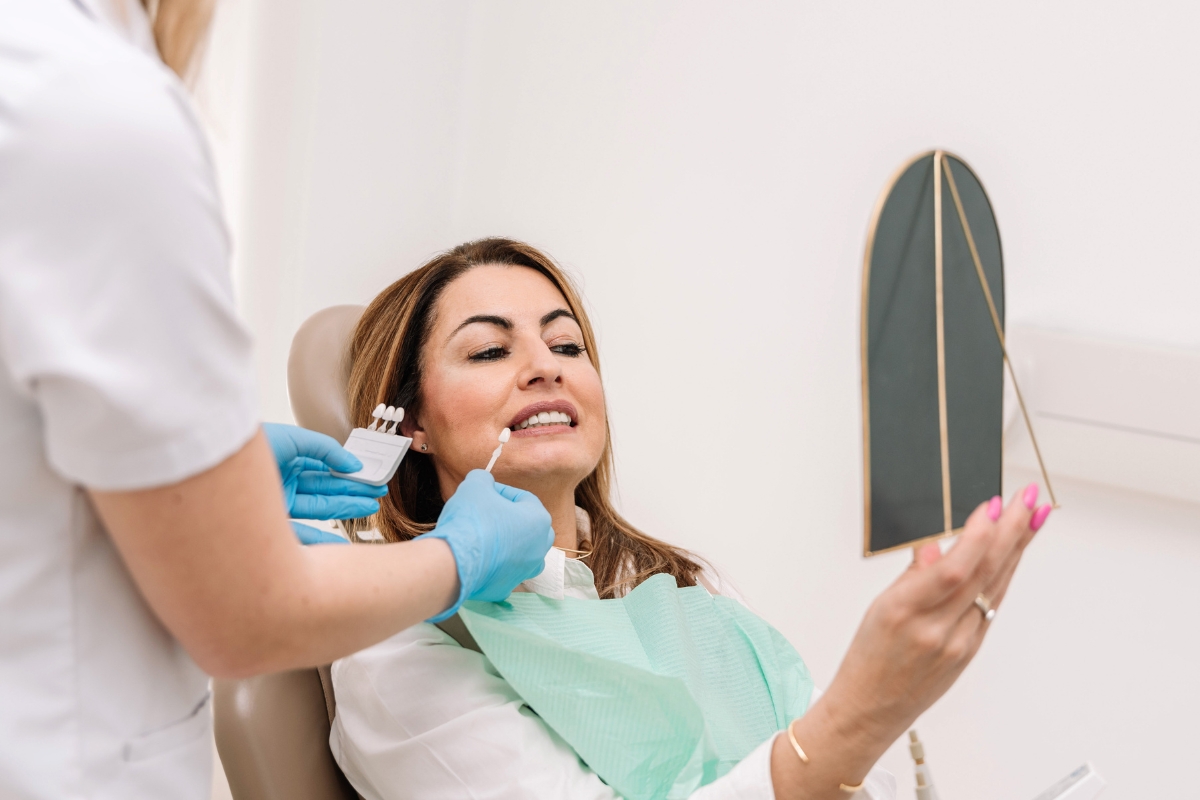
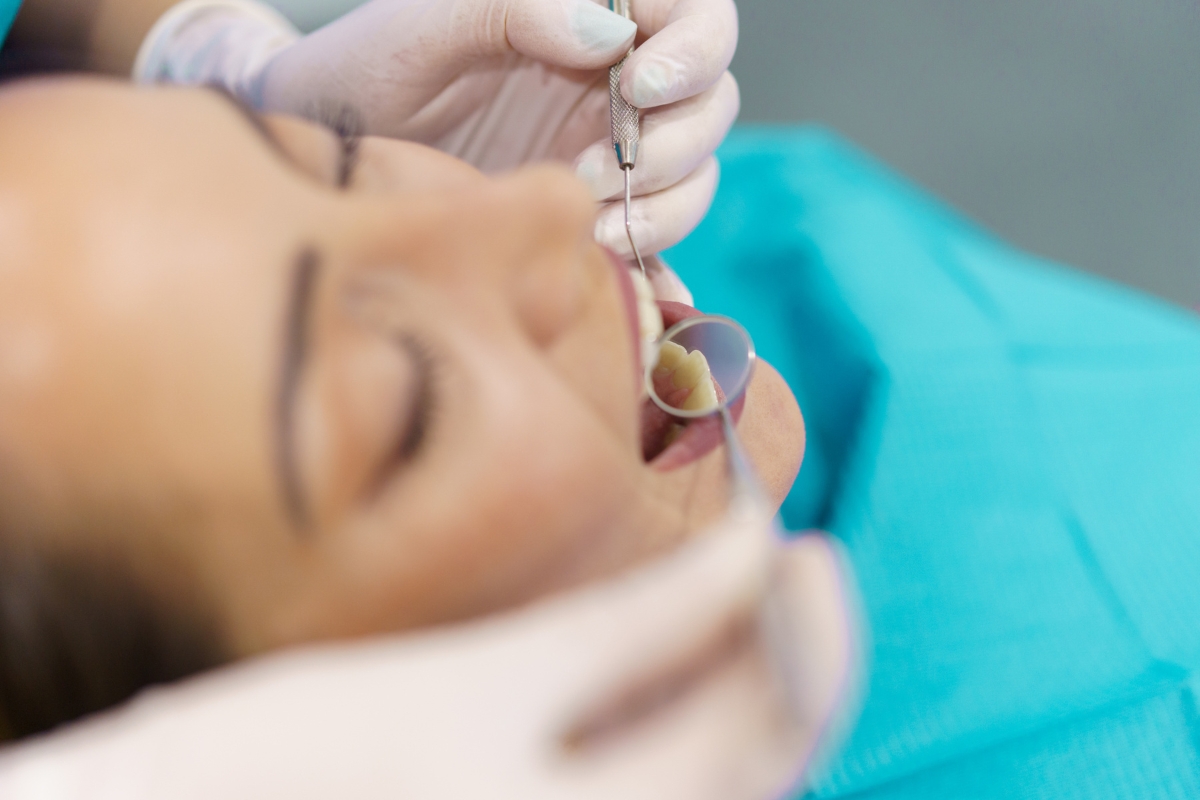
At your consultation, Dr. Nichole Kostiuk will take measurements of lesion depth and location, understand your desired result, and lead you through stepwise treatment—typically starting with remineralization. Before and after photographs help you track progress; home oral care instruction will make outcomes long-lasting. If you want an Austin dentist to evaluate the severity of white spots and discuss options with you in an easy-to-understand manner, you’ve come to the right place.
Will the spots return?
Following the removal of the orthodontic appliance and enhanced oral hygiene, it is less likely for the spots to return. Early treatment and regular cleanings make recurrence highly improbable. Some lesions resolve spontaneously; guided therapy speeds up and improves the visual change.
White spots on teeth following clear braces treatment are prevalent, but easy to fix and even attractive for the health of your enamel. For a dental care plan that favors research-backed oral care like fluoride support, CPP-ACP, and resin infiltration, schedule a visit with Dr. Kostiuk at TRU Dentistry Austin. Let’s map the best option for your smile and help you be confident on camera again.