9901 Brodie Ln Suite 130, Austin, TX 78748



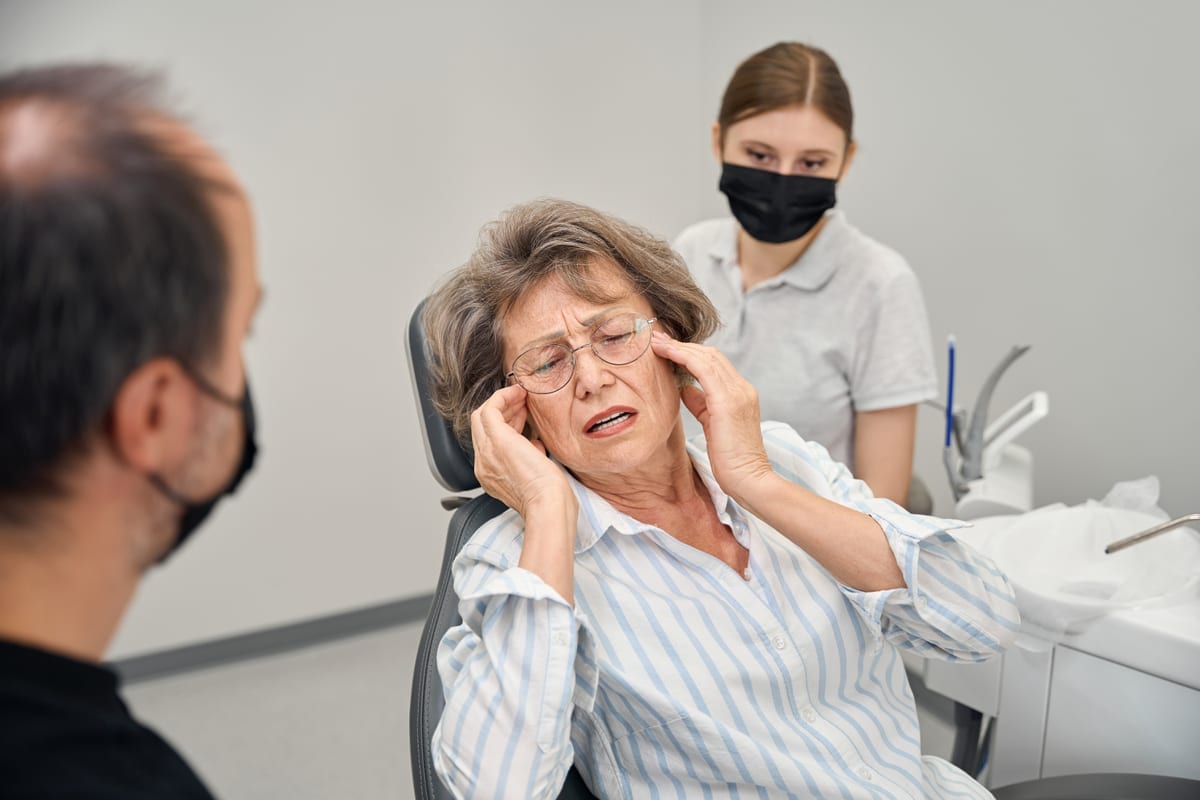
If you live in Shady Hollow and wake up with a sore, aching jaw, you are not alone. Many patients ask: is your jaw pain caused by stress, grinding, or misaligned bite in Shady Hollow? The answer is not always simple. Several overlapping causes can trigger jaw pain, and understanding them is the first step toward real relief.
Dr. Nichole Kostiuk at TRU Dentistry Austin helps patients identify the root cause of their discomfort. Jaw pain often points to a TMJ disorder — a problem with the temporomandibular joint. That small joint connects your jawbone to your skull and guides every bite, chew, and word you speak.
What Is a TMJ Disorder and Why Does It Hurt?
The temporomandibular joint is one of the most complex joints in your body. It moves in multiple directions at once. When something disrupts its smooth motion, pain and inflammation follow quickly. TMJ disorders affect millions of Americans, and many never connect their symptoms to their jaw at all.
Common warning signs include:
- Jaw pain or tenderness, especially in the morning
- Clicking or popping sounds when opening your mouth
- Headaches concentrated near the temples
- Earaches or ringing in the ears
- Difficulty fully opening or closing your mouth
- Neck and shoulder tightness
These symptoms can feel vague or unrelated. That is why a proper dental evaluation matters so much. A dentist trained in TMJ treatment can trace your symptoms back to their source.
Stress and Bruxism: The Hidden Causes of Jaw Pain in Shady Hollow
Stress is one of the leading causes of jaw pain in Shady Hollow residents. When you are under pressure, your body holds tension in unexpected places. The jaw is a prime target. Many people clench their teeth unconsciously during the day without ever realizing it.
Bruxism — the medical term for teeth grinding — often happens at night. You may grind your teeth for hours while you sleep. By morning, your jaw muscles feel exhausted and sore. Over time, grinding wears down your tooth enamel and strains the TMJ itself.
The link between stress and bruxism is well established. Life events like work pressure, family stress, or anxiety can all trigger grinding episodes. Dental Cleanings give Dr. Kostiuk a chance to check for early signs of enamel wear caused by grinding. Catching it early protects both your teeth and your jaw joint.
Signs that stress-related bruxism may be affecting you include:
- Waking up with jaw soreness or headaches
- Noticing flattened or chipped tooth surfaces
- Feeling facial muscle fatigue by midday
- Your sleep partner reporting grinding sounds at night
How a Misaligned Bite Contributes to TMJ Pain
A misaligned bite — also called malocclusion — is another significant cause of TMJ disorders. When your upper and lower teeth do not fit together properly, your jaw works harder than it should. That extra effort strains the muscles and ligaments surrounding the joint.
Bite misalignment can stem from many sources. Crooked teeth, missing teeth, old dental work, or even how your jaw developed can all affect your bite. Some patients develop bite problems gradually after tooth loss. Others have had subtle misalignment their whole lives without knowing it.
When the bite is off, the jaw compensates by shifting its position. This constant compensation creates chronic muscle tension. Over months and years, that tension becomes pain. Restoring proper bite alignment is often a key part of effective TMJ treatment.
Dental Bonding is one option that can help reshape tooth surfaces and improve bite balance. Dr. Kostiuk evaluates bite alignment carefully as part of every TMJ consultation at TRU Dentistry Austin.
Arthritis and Past Jaw Injuries as TMJ Risk Factors
Not all jaw pain comes from habits or alignment. Sometimes the joint itself is the problem. Osteoarthritis and rheumatoid arthritis can both affect the temporomandibular joint directly. Arthritis causes the cartilage within the joint to break down. As that cushion wears away, bone contacts bone, causing significant pain and limited movement.
Past jaw injuries also raise your risk for TMJ disorders. A blow to the face, a sports injury, or even a car accident can damage the joint structure. Sometimes symptoms appear immediately after an injury. Other times, they develop months or years later as the joint deteriorates.
Patients in Shady Hollow who have experienced facial trauma should mention it during their dental exam. Even old injuries deserve attention. Dr. Kostiuk considers your full history when assessing jaw pain to ensure nothing is overlooked.
When to Seek Help for Jaw Pain
Many people dismiss jaw pain as something that will go away on its own. Sometimes it does. But chronic or worsening jaw pain deserves professional attention. The longer TMJ disorders go untreated, the more complex treatment can become.
You should schedule an evaluation if you notice:
- Jaw pain lasting more than a few weeks
- Pain that disrupts sleep or daily activities
- Visible changes to how your teeth fit together
- Locking or limited jaw movement
- Persistent headaches without a clear cause
Early diagnosis means more conservative treatment options. Dr. Kostiuk may recommend a custom night guard, bite adjustment therapy, or other targeted solutions based on your specific cause.
Understanding Your Jaw Pain So You Can Treat It Right
Jaw pain rarely has just one cause. Stress, bruxism, bite misalignment, arthritis, and past injuries often combine and overlap. That is why a thorough evaluation matters so much. Treating only one cause while missing another leads to incomplete relief.
At TRU Dentistry Austin, Dr. Nichole Kostiuk takes a careful, whole-mouth approach to TMJ disorders. She examines your bite, reviews your dental history, and listens to your symptoms. Together, you build a treatment plan that addresses the actual source of your pain — not just the surface discomfort.
Shady Hollow patients deserve clear answers and effective care. You do not have to keep living with jaw pain. Book Now to schedule your appointment with our team.
Frequently Asked Questions
What are the most common causes of TMJ jaw pain?
The most common causes include teeth grinding (bruxism), chronic stress, bite misalignment, arthritis affecting the joint, and previous jaw or facial injuries. Often, more than one factor is involved at the same time.
Can stress really cause jaw pain?
Yes. Stress causes many people to clench or grind their teeth, especially during sleep. This repetitive muscle activity strains the TMJ and surrounding tissues, leading to soreness, headaches, and chronic jaw discomfort over time.
How do I know if my bite is causing my jaw pain?
Signs of a bite-related problem include uneven tooth wear, jaw shifting when you bite down, and discomfort that gets worse while chewing. A dentist can assess your bite alignment and determine if it is contributing to your TMJ symptoms.
Is jaw clicking always a sign of a TMJ disorder?
Not always. Occasional clicking without pain is common and may not require treatment. However, clicking combined with pain, limited jaw movement, or frequent headaches can indicate a TMJ disorder that warrants professional evaluation.
What treatments are available for TMJ disorders at TRU Dentistry Austin?
Dr. Nichole Kostiuk offers several TMJ treatment options depending on the underlying cause. These may include custom night guards to reduce grinding, bite adjustment procedures, and restorative treatments to correct misalignment and protect the joint.