9901 Brodie Ln Suite 130, Austin, TX 78748



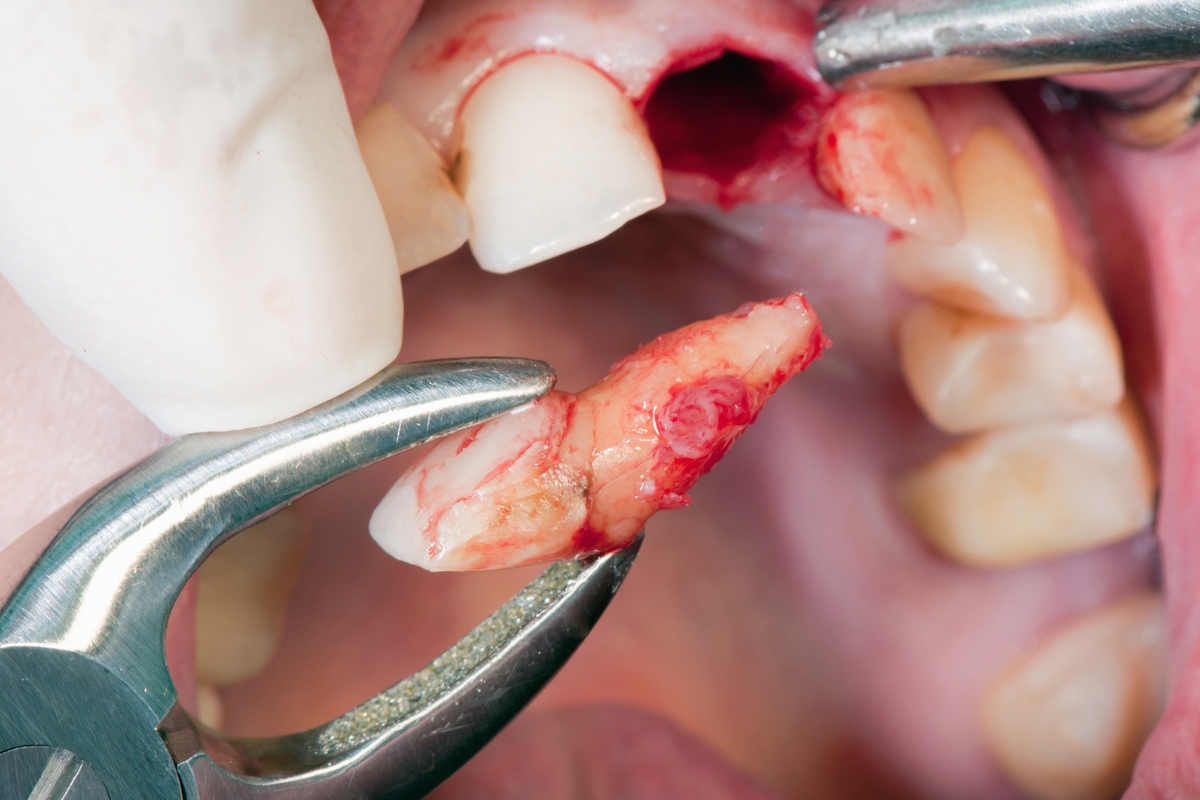
Getting a tooth pulled isn’t exactly fun—but your diet afterward can make a huge difference in how quickly and comfortably you heal. If you’ve recently had a tooth extraction or have one scheduled, one of the first questions you’re probably asking is:
“What can I eat after a tooth extraction?”
Good news: you don’t have to survive on plain soup or suffer through flavorless meals. With the right food choices, you can support healing, stay nourished, and even enjoy your meals—without irritating your extraction site.
Why Your Food Choices Matter After Tooth Removal
After an extraction, your mouth is in recovery mode. A blood clot forms in the socket to protect the bone and nerve endings as your gum tissue heals. Dislodging that clot—known as dry socket—is painful and delays recovery.
Eating the right foods helps:
- Avoid disturbing the blood clot.
- Reduce swelling and pain.
- Boost your body’s natural healing response.
- Prevent infection or complications.
List of Soft Food For Post-Extraction Comfort
Let’s dive into what you CAN eat. The golden rule? Soft, smooth, and lukewarm. Here’s your go-to list:
- Mashed potatoes – comforting, creamy, and filling.
- Scrambled eggs – rich in protein, easy to chew.
- Yogurt – cold, soothing, and packed with probiotics.
- Smoothies – full of nutrients (just skip the straw!).
- Oatmeal or cream of wheat – warm, soft, and satisfying.
- Blended soups – like pumpkin, tomato, or chicken broth.
- Applesauce – sweet, smooth, and vitamin-rich.
- Cottage cheese – soft, protein-packed, and easy on the gums.
- Avocados – creamy, nutrient-dense, and gentle on your mouth.
- Pudding or ice cream – for a sweet treat (just avoid crunchy toppings).
Over 5 million tooth extractions are performed each year in the U.S., and poor diet during recovery is a top reason for delayed healing, according to the American Association of Oral and Maxillofacial Surgeons.
That’s a lot of people in soft food mode—and a great reason to plan your meals in advance!
What NOT To Eat After a Tooth Extraction?
Some foods may seem harmless but can lead to major discomfort or complications following a tooth extraction in Austin, TX. Avoid anything that’s:
Crunchy
Like chips, nuts, toast, or raw veggies—these can get stuck in the socket.
Chewy or Sticky
Caramel, gum, tough meats—bad news for a healing mouth.
Hot & Spicy
They may irritate the extraction site or dislodge the clot.
Using a Straw
Suction can cause dry socket. Stick to sipping from a cup.
Timeline: Eating Right Through Each Stage
Day 1–2: Stick with cold and soft foods—smoothies, yogurt, applesauce, ice cream.
Day 3–5: Introduce warm soups, mashed potatoes, and scrambled eggs.
Day 6–7: Gradually reintroduce softer solid foods like well-cooked pasta or fish.
After 1 Week: Most people can return to a normal diet—but always follow a dentist’s personalized advice.
Extra Tips To Speed Up Healing
- Keep it clean: Gently rinse with saltwater starting 24 hours after extraction.
- Stay hydrated: Drink plenty of water—but no carbonated or sugary drinks.
- Rest up: Your body needs downtime to heal, especially in the first 48 hours.
- No smoking or alcohol: Both can significantly delay healing and increase the risk of dry socket.
Tooth extraction might leave you sore—but you don’t have to suffer through recovery. Choosing the right foods can help you heal faster, feel better, and avoid complications. Remember:
- Go soft and nutrient-rich.
- Skip crunchy, chewy, and hot foods.
- No straws, no smoking, no spicy surprises.
Take care of your mouth like it’s under construction—because it is. The smoother the recovery, the quicker you’ll be back to enjoying all your favorite meals again.
Feeling unsure about your post-extraction diet or recovery? Reach out to our dentist—they’re your best guide for a speedy, smooth healing journey.