9901 Brodie Ln Suite 130, Austin, TX 78748




A root canal stops the pain, saves the tooth, and restores oral health. But that doesn’t mean your mouth is completely out of the woods. Even after treatment, some patients worry about complications, especially infections. One common concern is whether a gum infection post-root canal is possible.
Here’s the straightforward answer: yes, a gum infection can develop after a root canal, but it’s not always due to the treatment itself. Let’s break down what causes it, how to recognize the signs, and what to do if it happens.
What Happens During a Root Canal?
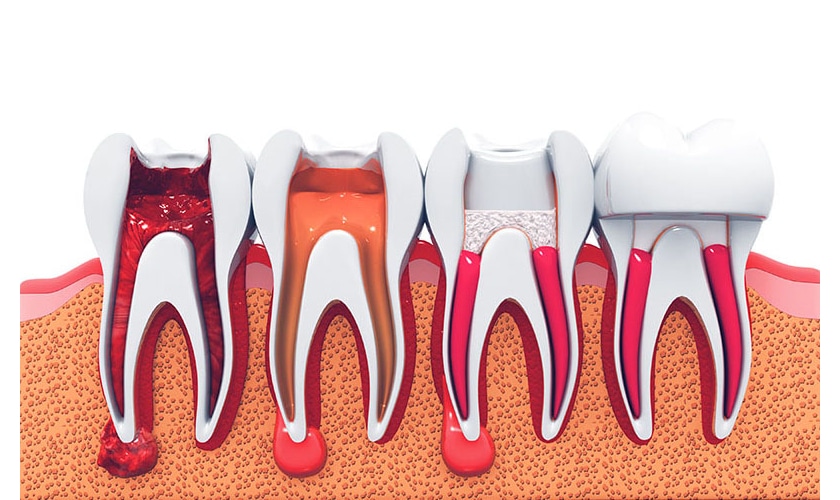
A root canal removes the inflamed or infected pulp from inside a tooth. The space is cleaned, disinfected, and sealed. This stops the spread of bacteria and relieves pain. Dentists usually place a crown afterward to protect the tooth.
While the procedure targets the tooth’s internal structure, it doesn’t directly involve the surrounding gums. That’s where confusion often starts, because any swelling or tenderness after treatment might seem like a gum issue when it’s not.
Why a Gum Infection May Occur After a Root Canal
There are several reasons a gum infection post-root canal might happen. It isn’t always about something going wrong during the procedure. Sometimes, external factors or unrelated oral health problems are the real culprits.
Here’s what could cause a gum infection after root canal treatment:
- Existing Gum Disease: If there was untreated gingivitis or periodontitis before the procedure, it can flare up after.
- Poor Oral Hygiene: Skipping flossing or brushing improperly allows bacteria to build up around the treated area.
- Tooth Fracture: A small crack in the treated tooth can let bacteria sneak into the surrounding tissues.
- Reinfection: If the seal inside the tooth weakens over time, bacteria might reach the gums.
- Food Debris Trapped Near the Gumline: This can irritate soft tissues and lead to inflammation.
Signs of Gum Infection to Watch For
You don’t need to panic after a root canal. Some soreness is completely normal. But if the symptoms don’t fade or worsen, that could signal a gum infection post-root canal.
Watch out for:
- Persistent swelling in the gums near the treated tooth
- Pain that returns days or weeks after the procedure
- A bad taste in your mouth
- Red or bleeding gums
- Pus or a visible abscess near the tooth
- Difficulty chewing without discomfort
If you notice any of these, it’s time to call your dentist. A follow-up visit is the only way to confirm what’s going on.
How to Prevent Gum Infections After a Root Canal
Post-treatment care plays a big role in long-term healing. Avoiding gum infection means protecting your mouth while it’s still recovering.
Simple steps can help keep your gums healthy after a root canal:
- Brush twice daily using a soft-bristled toothbrush
- Floss gently around the treated tooth
- Rinse with an antimicrobial mouthwash
- Stick to soft foods for a few days
- Don’t skip follow-up appointments
Also, be careful not to chew on hard objects like ice or pens that could damage the tooth or crown.
What Your Dentist Can Do If You Have a Gum Infection
Your dentist may take new X-rays to see if the issue is inside the tooth or around it. Treatment depends on the source of the infection. If it’s limited to the gum, you might only need a professional cleaning, medication, or a minor procedure. If the infection came from the tooth, retreatment could be necessary.
In some rare cases, surgery (apicoectomy) may be used to clean the tip of the root and remove any infected tissue.
Root Canals and Gum Health Go Hand-in-Hand
A root canal restores your tooth’s health, but your gums need care too. Many infections after treatment have nothing to do with the root canal itself. Still, gum health shouldn’t be ignored. Whether you’re in Austin or anywhere else, dental care doesn’t stop after the procedure.
If you’re feeling discomfort after treatment or have signs of infection, don’t delay. Catching it early makes all the difference.