9901 Brodie Ln Suite 130, Austin, TX 78748



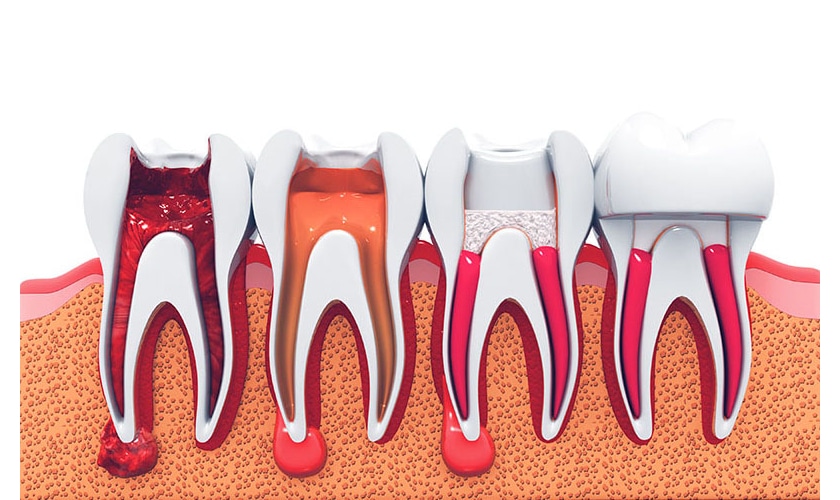
Root canal treatment is a common dental procedure designed to relieve pain caused by an infected or damaged tooth. Though it often eliminates severe toothache, some discomfort may linger as the mouth heals. Effective pain management can help you recover quickly and comfortably. Here’s what you need to know.
What to Expect After a Root Canal Treatment?
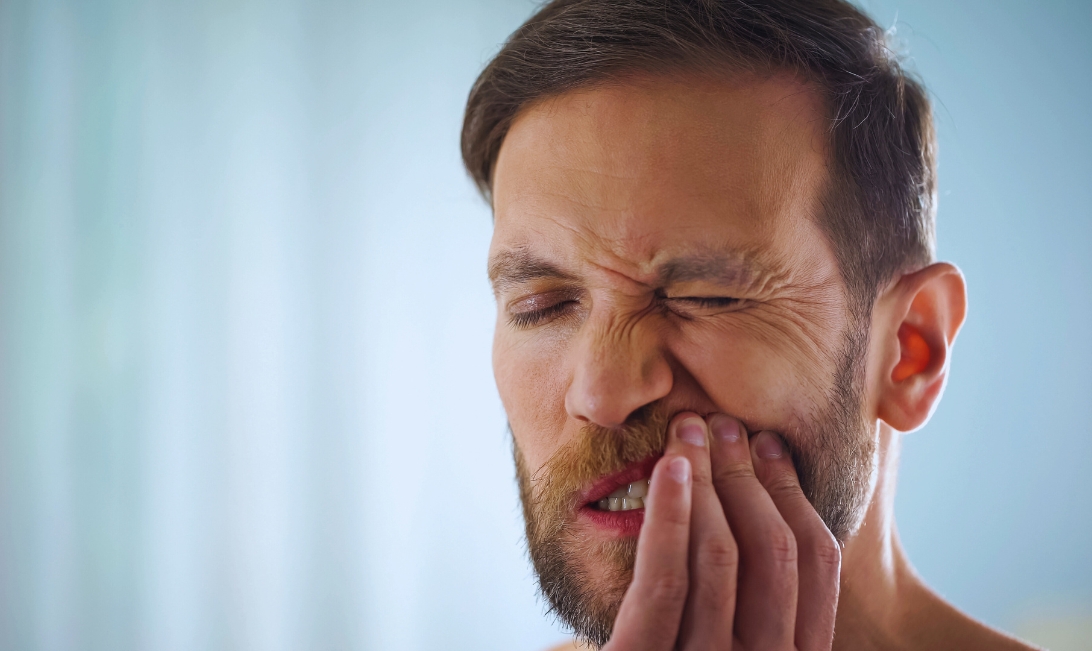
Mild to moderate pain is typical after a root canal treatment. This discomfort usually fades within a few days, but understanding how to handle it can make your recovery smoother.
- Tenderness: The treated tooth and surrounding gums may feel tender or sore for a few days.
- Swelling: Some mild swelling near the treated area is common.
- Sensitivity: Hot or cold foods may cause sensitivity as your tooth heals.
- Mild Discomfort: Pain may intensify when chewing or biting.
It’s normal for discomfort to peak within 24-48 hours after the procedure, gradually lessening over the next few days.
Effective Pain Management Tips
Taking care of your mouth after a root canal can speed up healing and ease discomfort. Here are some practical tips:
Use Over-the-Counter Pain Relievers
- Ibuprofen or acetaminophen can help reduce pain and inflammation.
- Follow dosage instructions closely. If unsure, consult your dentist for guidance.
- Avoid aspirin, which may increase bleeding.
Apply a Cold Compress
- Use a cold pack or a bag of ice wrapped in a cloth.
- Apply to the outside of your cheek for 10-15 minutes at a time.
- Repeat every few hours to help minimize swelling and numb pain.
Choose Soft Foods
- Stick to a diet of soft, easy-to-chew foods like soup, yogurt, or mashed potatoes.
- Avoid crunchy, hard, or sticky foods that may irritate the treated area.
- Eat on the opposite side of your mouth until the tenderness subsides.
What to Avoid After a Root Canal Treatment?
Knowing what to steer clear of can be just as crucial as knowing what to do. Here are some common mistakes to avoid:
Don’t Skip Pain Medication
- Take prescribed or recommended pain relief on schedule, even if discomfort is mild.
- Keeping a consistent dose prevents pain from intensifying unexpectedly.
Avoid Hard or Sticky Foods
- Foods like nuts, chips, or candy can stress the treated tooth.
- Sticky foods can pull at temporary fillings, delaying recovery.
Refrain From Heavy Physical Activity
- Heavy exercise or physical exertion can increase blood flow to the mouth, causing throbbing or swelling.
- Stick to light activities until the tenderness decreases.
When to Contact Your Dentist?
While mild discomfort is expected, some signs may need a dentist’s attention:
- Severe pain that doesn’t improve after a few days.
- Swelling that worsens or persists.
- Fever or any signs of infection.
- Uneven bite or pain when chewing after healing.
If you notice any of these symptoms, call your dentist. Early intervention can prevent complications.
Natural Pain Relief Options
Sometimes, you may want to explore natural remedies to supplement conventional pain relief:
Warm Salt Water Rinses
- Mix half a teaspoon of salt with a cup of warm water.
- Gently swish the solution around your mouth for 30 seconds.
- This can help reduce swelling and cleanse the treated area.
Clove Oil
- Apply a small amount of clove oil to a cotton ball.
- Dab it gently on the sore area for a numbing effect.
- Clove oil is a natural antiseptic that can provide temporary relief.
Herbal Teas
- Chamomile or peppermint teas have anti-inflammatory properties.
- Allow the tea to cool, then gently sip or use it as a mouth rinse.
Tips for a Smooth Recovery
Following these simple tips can enhance your healing process and minimize discomfort:
- Keep Your Mouth Clean: Brush gently around the treated tooth. Rinse with an antiseptic mouthwash as recommended.
- Attend Follow-Up Appointments: These are crucial for monitoring healing and checking for complications.
- Don’t Smoke: Smoking can hinder healing and increase infection risks.
Discomfort after a root canal treatment is usually manageable with proper care and attention. Most patients find relief within a week or less. By following your dentist’s advice, using over-the-counter pain relief, and avoiding aggravating foods and activities, you can ensure a faster, more comfortable recovery. Always pay attention to your symptoms, and don’t hesitate to reach out to your dentist if something feels off.