9901 Brodie Ln Suite 130, Austin, TX 78748



Dental Implants: A Step-by-Step Guide to Your Appointment
Dental implants are one of the most effective ways to replace a missing tooth. Many patients feel nervous simply because they don’t know what to expect. At TRU Dentistry Austin, we believe knowledge is the best way to ease anxiety. This guide walks you through every stage — from the moment you arrive to the day your new smile feels completely natural.
Step 1: Arrival and Initial Consultation for Dental Implants
When you arrive at our office, you’ll be greeted by a friendly front desk team. The reception area is calm and welcoming — soft lighting, comfortable seating, and a relaxed atmosphere. You’ll complete a brief health history form if you haven’t done so online already.
Next, one of our dental team members will take you back for a thorough evaluation. We use digital X-rays and 3D imaging to examine your jawbone structure. This step is completely painless. You’ll simply bite down on a small sensor or stand in front of a scanner for a few seconds.
Our dental team will review the images with you on-screen. We’ll explain exactly what we see and whether your bone density is sufficient to support an implant. This is your chance to ask every question you have. We encourage curiosity — no question is too small.
Step 2: Treatment Planning and Preparing for the Procedure
After the consultation, we build a personalized treatment plan. Every jaw is different, so no two implant plans are identical. We’ll outline each phase clearly so you understand the full timeline.
You’ll learn about any preparatory steps needed before implant placement. Some patients require a bone graft if the jawbone needs extra volume. Others are ready to proceed right away. We’ll walk you through exactly what applies to your situation.
Here’s what the preparation phase typically includes:
- Review of your full dental and medical history
- 3D cone beam CT scan to map bone structure
- Discussion of sedation options to keep you comfortable
- Scheduling the implant surgery date
- Pre-procedure instructions, such as fasting guidelines if sedation is used
Late spring is a popular time for major dental work. Many patients schedule implant consultations before summer trips or graduation celebrations. If you’ve been putting this off, now is an ideal time to start the process.
Step 3: The Dental Implant Surgery — Stage by Stage
On the day of surgery, you’ll settle into a comfortable dental chair. The room is bright but not harsh. You may hear the soft hum of equipment in the background — it’s quieter than most people expect.
Our dental team will apply a topical numbing gel before administering local anesthesia. Most patients feel only light pressure during the injections. Within minutes, the treatment area is completely numb. If you chose sedation, you’ll feel drowsy and deeply relaxed.
The implant placement itself follows a clear sequence:
- Incision: A small opening is made in the gum tissue to expose the jawbone.
- Drilling: A precise channel is created in the bone. You’ll feel vibration but no sharp pain.
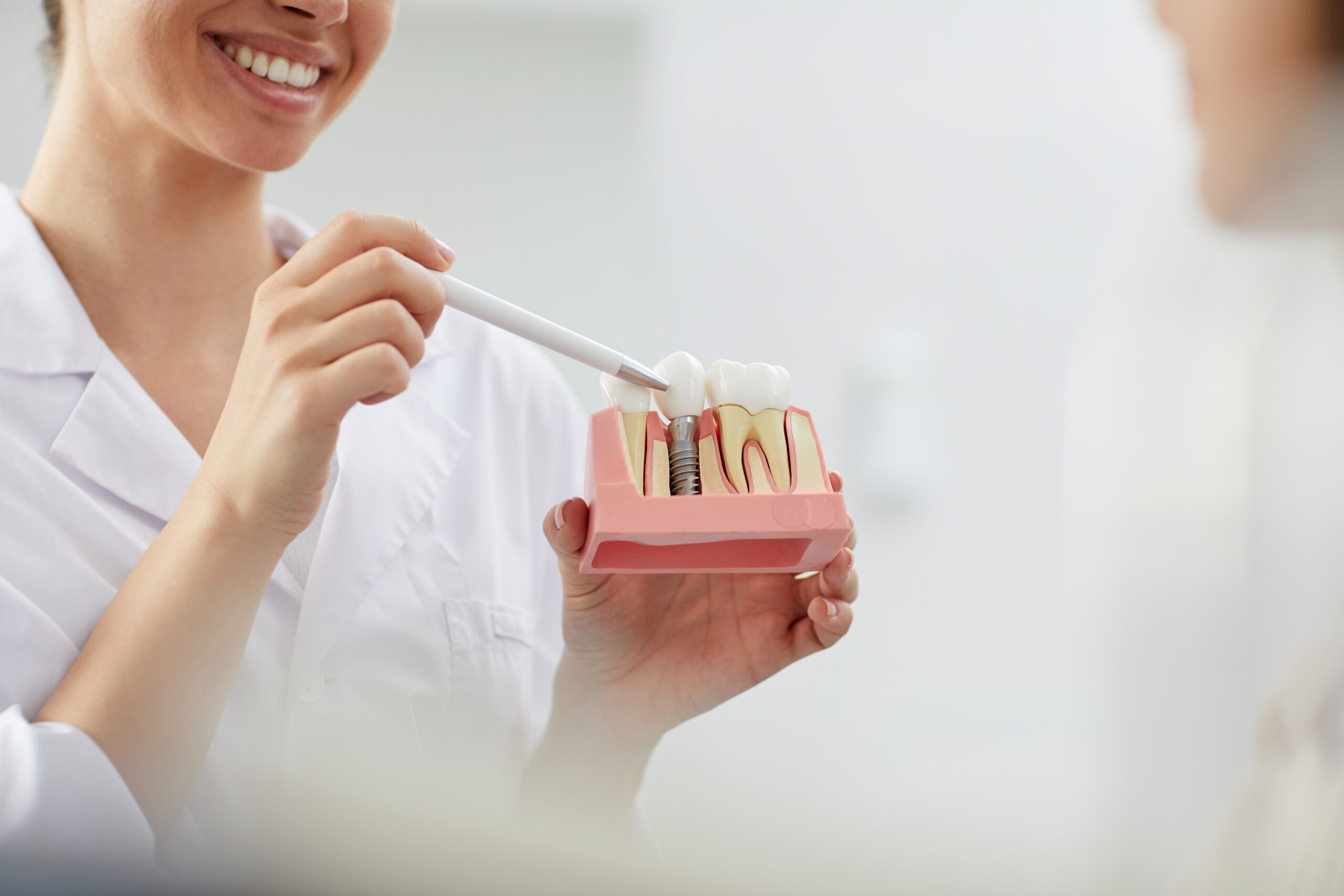
- Implant insertion: A titanium post is gently threaded into the bone. This typically takes just a few minutes.
- Closure: The gum tissue is sutured closed around the implant site.
The entire surgical appointment usually takes one to two hours. You may hear gentle clicking or a low drill sound during the procedure. These sounds are normal and signal that everything is progressing as planned.
After the implant is placed, the bone begins fusing to the titanium post. This process — called osseointegration — takes several months. During that time, a temporary restoration may be placed so your smile remains complete.
Step 4: Immediate Aftercare and What You Will Feel
Once the anesthesia wears off, mild soreness is completely normal. Most patients describe it as similar to the feeling after a tooth extraction. Over-the-counter pain relievers are usually enough to stay comfortable. Our dental team will provide specific aftercare instructions before you leave.
For the first 24 to 48 hours, you should:
- Eat soft foods like yogurt, mashed potatoes, and smoothies
- Avoid hot beverages and straws
- Gently rinse with warm salt water after meals
- Apply an ice pack in 10-minute intervals to reduce swelling
- Rest and avoid strenuous physical activity
Swelling typically peaks around day two and then gradually subsides. Light bruising around the jaw is possible but temporary. Most patients return to normal daily activities within two to three days.
With temperate spring weather, getting outside for gentle walks is a great way to aid your recovery. Avoid direct sun exposure if you experience any facial swelling. Keep hydrated and prioritize sleep — your body heals fastest when well rested.
Step 5: Follow-Up Visits and the Path to Your Final Restoration
We’ll schedule a follow-up appointment about one week after surgery. At this visit, we check the implant site and remove any sutures if needed. This appointment is quick and usually very comfortable.
Over the next several months, your implant fuses fully with the surrounding bone. Once osseointegration is confirmed — typically through a new X-ray — we attach an abutment. The abutment is a small connector piece that links the implant post to your final crown.
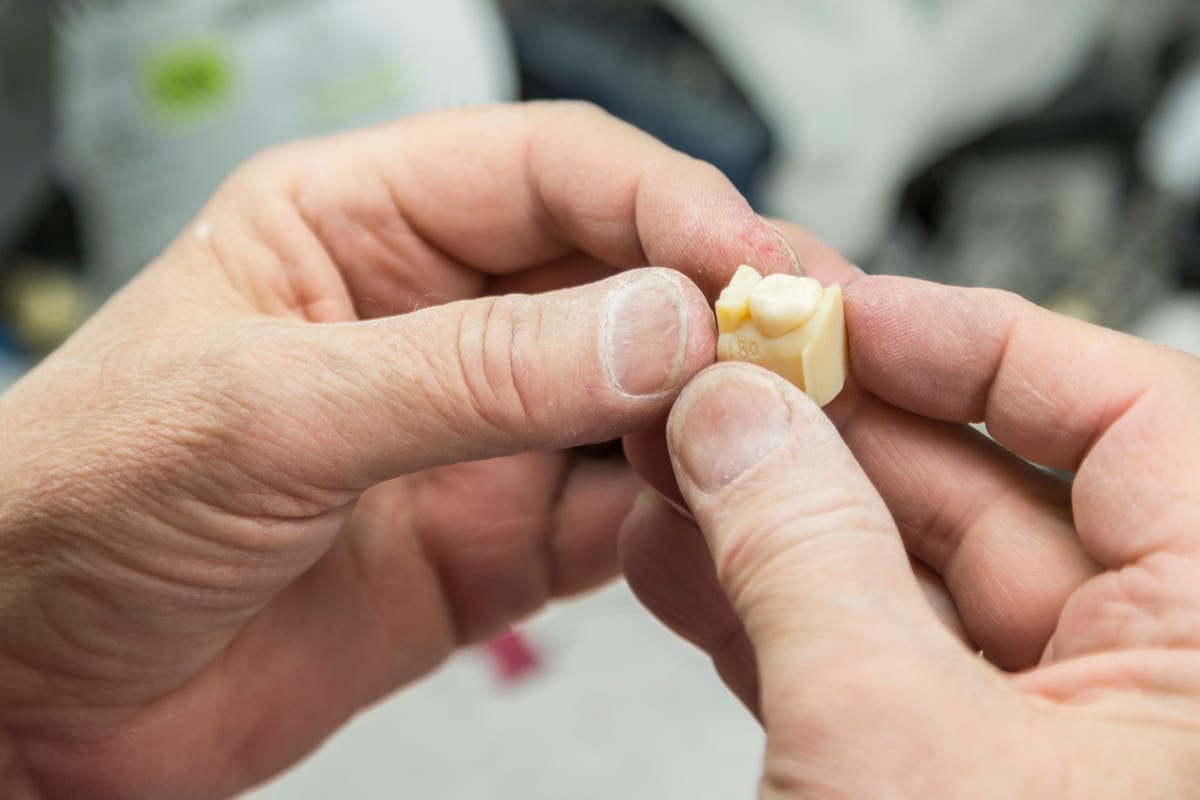
Your custom crown is crafted to match the color, shape, and size of your natural teeth. When it’s placed, the result looks and functions just like a real tooth. You’ll be able to bite, chew, and smile with full confidence.
Benefits of dental implants over other tooth-replacement options include:
- They preserve jawbone density by stimulating natural bone
- They feel and function like natural teeth
- They do not affect neighboring teeth, unlike bridges
- With proper care, they can last a lifetime
Our team is here to support you throughout the entire process. You can learn more about our dental team and our approach to patient-centered care. We also offer a range of other dental services to support your complete oral health.
Conclusion: Your Smile Is Worth Every Step
Understanding each phase of the dental implant process removes the fear of the unknown. From your first consultation to your final crown, our team at TRU Dentistry Austin is with you at every stage. We take time to explain, to listen, and to make sure you feel confident. Learn More about how we can help you.
Frequently Asked Questions
How long does the entire dental implant process take?
The full process typically takes between three to nine months. This timeframe includes the healing period after implant placement, which allows the titanium post to fuse with the jawbone. The length of your process depends on your individual bone health and whether any preparatory procedures are needed.
Is dental implant surgery painful?
Most patients report that the surgery itself is far less uncomfortable than they expected. Local anesthesia numbs the area completely during the procedure. Post-surgery soreness is usually mild and manageable with over-the-counter pain relief for the first few days.
How do I care for my implant after surgery?
In the days following surgery, stick to soft foods and avoid straws or hot drinks. Gently rinse with warm salt water after meals. Once fully healed, care for your implant just like a natural tooth — brush twice daily, floss regularly, and attend routine dental checkups.
Am I a candidate for dental implants?
Most healthy adults with missing teeth are good candidates for dental implants. Key factors include sufficient jawbone density and healthy gum tissue. Our dental team evaluates each patient individually using advanced imaging to determine the best approach for your specific needs.
What happens if I need a bone graft before implants?
A bone graft adds volume to areas where the jawbone has thinned. The graft material — which may be synthetic or from a donor source — integrates with your existing bone over several months. Once the graft has healed, the implant placement can proceed as planned.